 Disney Tips Your Guide To A Great Disney Vacation

Impact of Draining Rivers of America
The impact is undeniable, as the ongoing draining of the Rivers of America at Disney World has extended past two months. Management’s decision to transform this iconic water feature into a construction site has been met with mixed reactions from guests.

Many have voiced dissatisfaction on various platforms, lamenting the temporary loss, particularly the nostalgic charm of Tom Sawyer Island. Removing this beloved area to make way for new attractions has left a void in the park, especially among those who frequented the former landscape.
The changes are significant. Guests had come to appreciate the serene views and immersive experiences that defined Frontierland. With the ongoing construction efforts for attractions like Cars and Villains Land, many longtime visitors are left hoping that the new additions can recapture some of the magic that drew them to the area in the first place.
Surge in Mosquito Population
However, amidst the landscape shifts comes an unexpected and unwelcome consequence: a surge in mosquito populations. The standing water in the riverbed has created an ideal breeding ground for these pests, leading to a noticeable increase in complaints from park visitors. Reports of itchy bites have circulated widely on social media, highlighting a once virtually nonexistent problem at Disney World.

This resurgence is astonishing given the park’s historic commitment to managing pest populations. Guests used to revel that they could enjoy their time without the nuisance typically associated with Florida’s humid climate. The recent complaints illustrate a disruption in guest experience and a shift in operational effectiveness regarding pest control.
Historical Context of Pest Management
The history of mosquito management at Disney World is rooted in strategic planning, prominently featuring General Joe Potter. Initially tasked with designing an effective pest management system, Potter’s experience as an MIT graduate and his engineering background played a pivotal role in the early construction of the park. Disney relied on Potter’s expertise, especially given his experience managing mosquito populations in areas like the Panama Canal Zone.
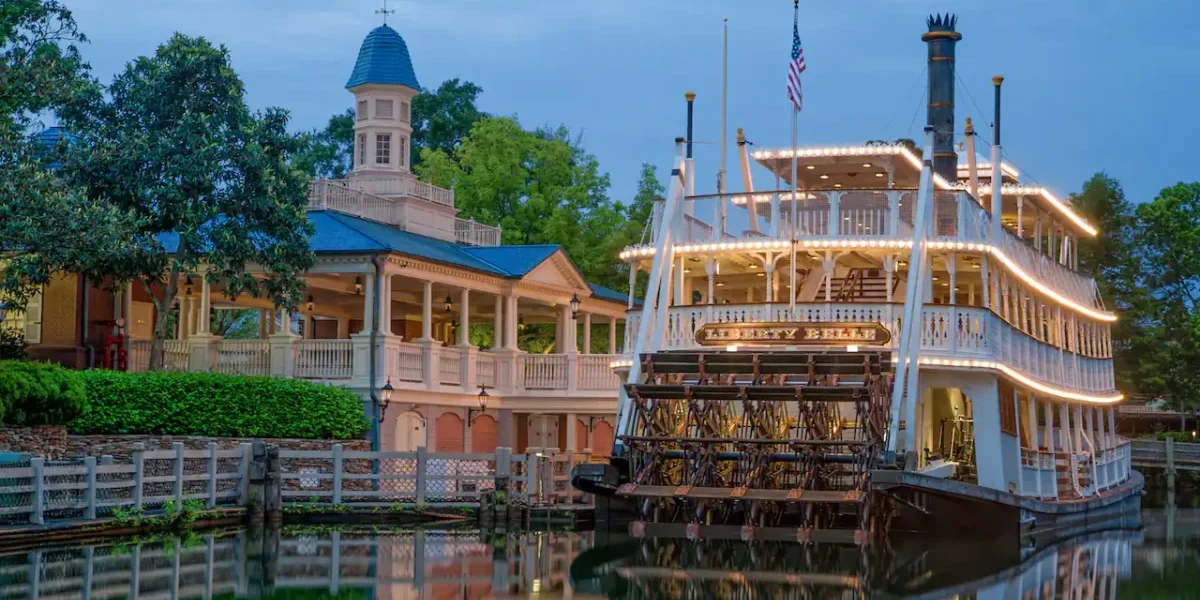
From the outset, constant water movement was a fundamental aspect of the park’s design. Features such as fountains were strategically employed to prevent stagnation, eliminating mosquitoes’ potential breeding ground. This principle of maintaining a dynamic aquatic environment was part of an overarching vision aimed at ensuring guest comfort while tackling environmental challenges.
Disney’s Current Response Efforts
In light of the recent mosquito issues stemming from the standing water, Disney has initiated steps to mitigate the problem. Maintenance teams have begun removing excess sludge from the riverbed, a critical effort aimed at reducing mosquito breeding grounds. This initiative signals the company’s commitment to restoring the quality of the guest experience despite the challenges posed by construction activities.

Looking forward, Disney hopes that effective mosquito management strategies will be reinstated once the construction is completed and the Rivers of America are restored to their former glory. The return of dynamic waterways is strongly believed to once again deter pest populations, aligning with the park’s historical practices.
As the situation develops, guests at Disney World must navigate this peculiar phase characterized by occasional mosquito interactions. Nonetheless, the park is dedicated to balancing the excitement of forthcoming attractions with visitor comfort, attesting to its ongoing dedication to guest satisfaction in an ever-evolving environment.