 Disney Tips Your Guide To A Great Disney Vacation

For the second time in as many weeks, the “Happiest Place on Earth” is grappling with a very real-world threat. On February 7, 2026, the Orange County Health Care Agency (OCHCA) issued an urgent public health update confirming an additional case of measles exposure at the Disneyland Resort.
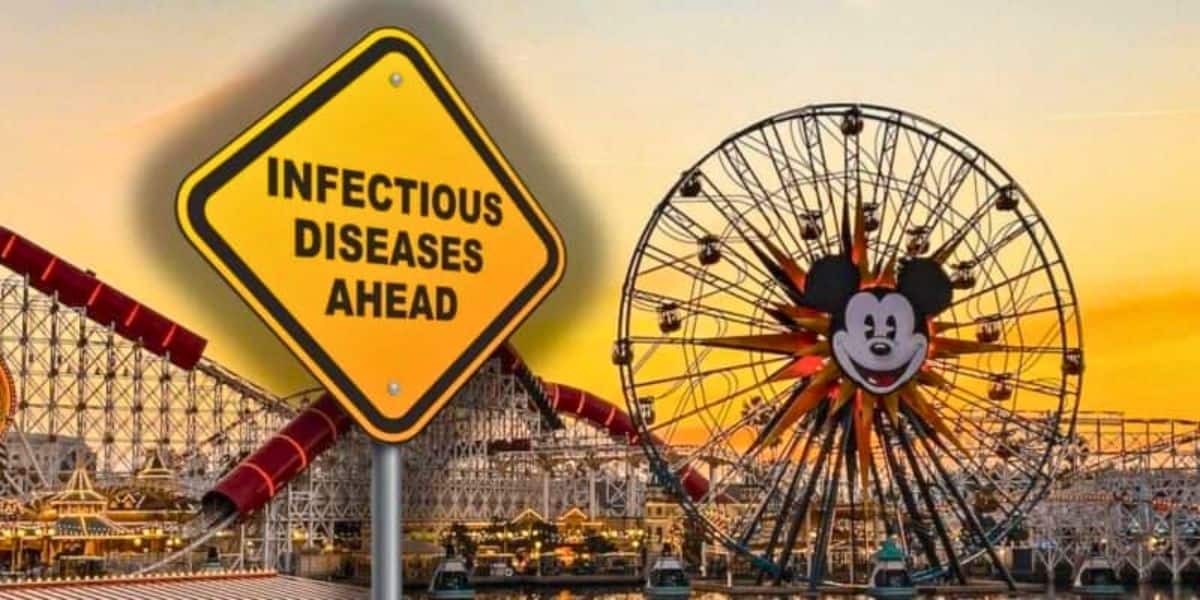
While the parks are famous for their immersive storytelling, the current narrative is one of caution and contact tracing. As thousands of families navigate the mid-winter crowds, health officials are warning that the “Disney Bubble” has been breached by one of the most contagious viruses in medical history.
Anyone who visited Disneyland Park on Thursday, January 22, from 8 a.m. to 4 p.m., and Disney California Adventure Park from 3 p.m. until closing is at risk.
The Science of the Spread: Why Disneyland?
Measles isn’t just a “bad cold” with a rash; it is a master of airborne transmission. According to the OCHCA, the virus can remain suspended in the air for up to two hours after an infected person has left an indoor space.

In a theme park environment, this is particularly dangerous. High-traffic areas like the Indiana Jones Adventure queue, the Main Street Cinema, or the various quick-service dining halls act as reservoirs for the virus. If an infected guest—who is often contagious for four days before a rash appears—coughs or sneezes in a gift shop, the live virus can linger on surfaces and in the air, waiting for the next unprotected guest to walk through.
With a “basic reproduction number” of 12 to 18, measles is far more infectious than the flu or even most strains of COVID-19. In a crowded park, a single case can theoretically spark dozens of new infections within hours.
The 2026 Symptoms: What to Watch For
If you visited Disneyland or Disney California Adventure during the first week of February, you are currently in the 21-day “danger zone.” Health officials recommend monitoring for the following:
- The Prodromal Phase: High fever (often exceeding 104°F), followed by the “Three Cs”: Cough, Coryza (runny nose), and Conjunctivitis (red, watery eyes).
- Koplik Spots: Small white spots that appear inside the mouth 2-3 days after the first symptoms.
- The Signature Rash: A red, blotchy rash that begins at the hairline and spreads downward over the entire body.
The Vaccination Gap: A Growing Crisis
The resurgence of measles in 2026 is a direct result of decreased vaccination rates. To keep measles at bay, a community needs a 95% vaccination rate to maintain “herd immunity.”

However, recent data shows that pockets of “vaccine hesitancy” and a rise in personal belief exemptions have led to these rates slipping in several key regions. When the “herd” is no longer protected, a global hub like Disneyland becomes a primary site for an outbreak. This isn’t just about the person who isn’t vaccinated; it’s about the infants under 12 months who are too young for the MMR shot and the immunocompromised guests who rely on the immunity of those around them to stay safe.
What Should You Do?
If you suspect you have been exposed and are showing symptoms, do not go directly to a clinic. * Call Ahead: Notify your doctor or the emergency room so they can prepare an isolation area. Walking into a crowded waiting room with measles could infect everyone present.

- Verify Immunity: Check your records for the MMR (Measles, Mumps, and Rubella) vaccine. Two doses are 97% effective.
- Stay Informed: Check the OCHCA website for the specific times and locations of the February 2026 exposure.
Conclusion
Disneyland is a place built on the idea that “fantasies come true,” but the current health alert is a sobering reminder that the real world is never far away. As health officials work to contain this latest incident, it serves as a high-profile wake-up call regarding the importance of the medical shields we often take for granted.
Were you at the parks during the exposure window? Be sure to consult with your healthcare provider immediately if you are unvaccinated or immunocompromised.