 Disney Tips Your Guide To A Great Disney Vacation
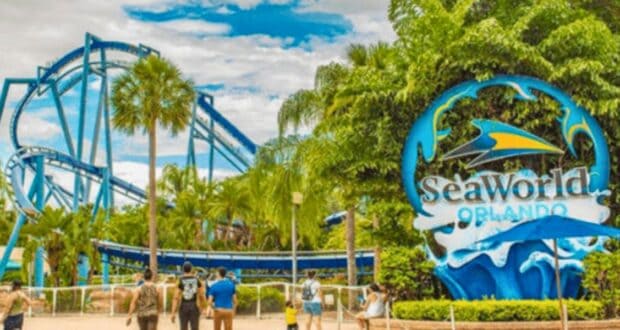
SeaWorld Orlando is set to be slammed with a surprising protest today.
The Central Florida theme park rarely lacks attention. As one of Orlando’s most visited attractions (even if attendance has dipped as of late), it sits at the intersection of tourism, entertainment, conservation messaging, and long-running controversy.
Credit: SeaWorld
In recent years, SeaWorld’s business has increasingly resembled that of a traditional thrill park, complete with record-breaking roller coasters and family-friendly expansions. Yet its legacy remains closely tied to marine mammal performances, a chapter that continues to shadow every strategic pivot.
The reckoning began long before the company rebranded its shows or adjusted its messaging. Animal rights activists, former trainers, and researchers have repeatedly questioned whether large marine mammals can ethically be kept in captivity for public display.
A Long Shadow Over SeaWorld’s Brand
For decades, SeaWorld has faced sustained criticism from animal rights groups over its treatment of captive orcas, dolphins, and other marine mammals. The backlash intensified after the 2013 documentary Blackfish, which scrutinized orca captivity – particularly that of Tilikum, who has since passed away – and recounted the death of SeaWorld Orlando trainer Dawn Brancheau.
The film reframed public understanding of SeaWorld’s practices, shifting the conversation from entertainment toward animal welfare. Attendance declined in subsequent years, and SeaWorld found itself navigating reputational damage alongside mounting activist pressure.
In response, SeaWorld ended its orca breeding program in 2016, confirming its current generation of killer whales would be its last. The company also phased out theatrical orca shows in favor of what it describes as “educational encounters,” with trainers also no longer performing in the water alongside the marine mammals.

Credit: Chad Sparkes, Flickr
Critics, including PETA, argue that those changes did not go far enough. They contend the central issue remains unresolved: keeping intelligent, socially complex animals in confined environments that cannot replicate the open ocean.
Animal welfare organizations have also raised concerns about enclosure sizes, shortened lifespans in captivity, and the long-term effects of separating orca pods. SeaWorld has repeatedly defended its standards of care, citing veterinary oversight, rescue operations, and conservation funding.
Despite those defenses, the debate has never fully cooled. Instead, it resurfaces periodically, often tied to individual animals that become symbols of the broader captivity debate.
That unresolved tension is again in focus today.
Protesters Renew Calls for Corky’s Release
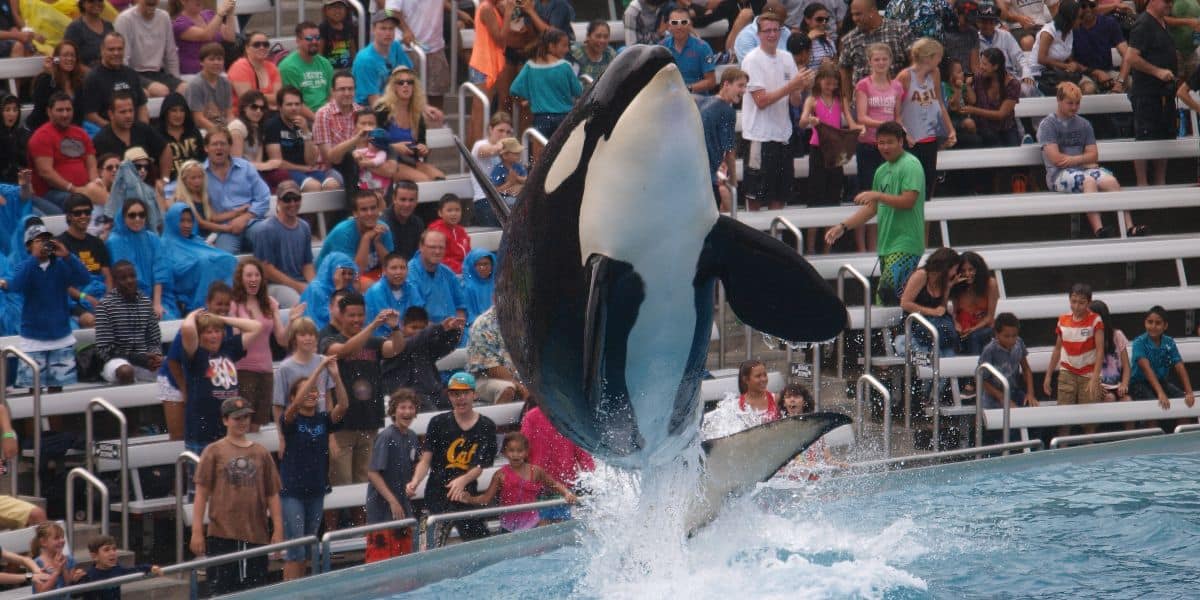
The latest protest centers on Corky, widely recognized as the longest-held captive orca in the world. Corky was captured in 1969 and has spent more than half a century in marine parks, making her a focal point for anti-captivity campaigns.
According to PETA, activists dressed as Santa Claus are expected to gather outside SeaWorld Orlando to demand Corky’s release to a seaside sanctuary. The group describes the demonstration as a holiday-themed call for accountability.
Credit: mliu92, Flickr
“Corky should be exploring the open ocean with her family, but instead she’s been crammed into a concrete bathtub,” said PETA President Tracy Reiman in a public statement. “PETA urges everyone to make life merrier for marine animals by staying far away from SeaWorld and other parks where whales and dolphins are imprisoned and exploited.”
The protest is scheduled for Saturday, December 13, at 12 noon, outside the SeaWorld main entrance at 7007 Sea World Drive in Orlando. Corky herself resides at SeaWorld San Diego, which is SeaWorld’s oldest theme park.
Past Protests at the Park
Similar protests have unfolded at SeaWorld parks for years, particularly during holidays and peak attendance periods, including another Santa-themed protest in 2023. These demonstrations have ranged from small, symbolic gatherings to coordinated national actions drawing significant media attention.

Credit: SeaWorld
While the protests continue, SeaWorld has increasingly emphasized a different future for its Orlando park. The company now brands the location as the “thrill capital of Orlando,” shifting focus toward rides and attractions rather than animal-led entertainment.
Thrill additions include high-profile roller coasters such as Mako, Manta, Ice Breaker, Pipeline: The Surf Coaster, and the family-friendly Penguin Trek. The strategy positions SeaWorld more directly against competitors like Universal Orlando Resort and Walt Disney World Resort.
That repositioning has not erased its past. For critics, the presence of captive orcas remains incompatible with any rebrand, no matter how extensive the ride lineup becomes.
Share your thoughts on today’s SeaWorld protest in the comments!