
 Disney Tips Your Guide To A Great Disney Vacation

Six Flags’ Financial Struggles and Layoffs
Six Flags is grappling with significant financial challenges that have led to widespread speculation regarding potential park closures. The amusement park giant reported a dramatic drop in attendance, resulting in a staggering $100 million loss during the second quarter of this year. This alarming financial state has been exacerbated by the recent resignation of CEO Richard Zimmerman, leaving many to question the future of the company’s operations.
The decline in park visitors has significantly contributed to Six Flags’ revenue woes. The uncertainty stemming from leadership changes amidst such severe financial difficulties only heightens concerns regarding the company’s future, particularly the status of its parks.
Implications of Layoffs at California’s Great America
Six Flags has announced the layoff of 184 seasonal employees at California’s Great America as part of its cost-cutting measures. This move underscores the severity of the company’s financial issues and reflects the immediate impact on the workforce. The layoffs are set to take effect on November 1, just ahead of the park’s early closure.
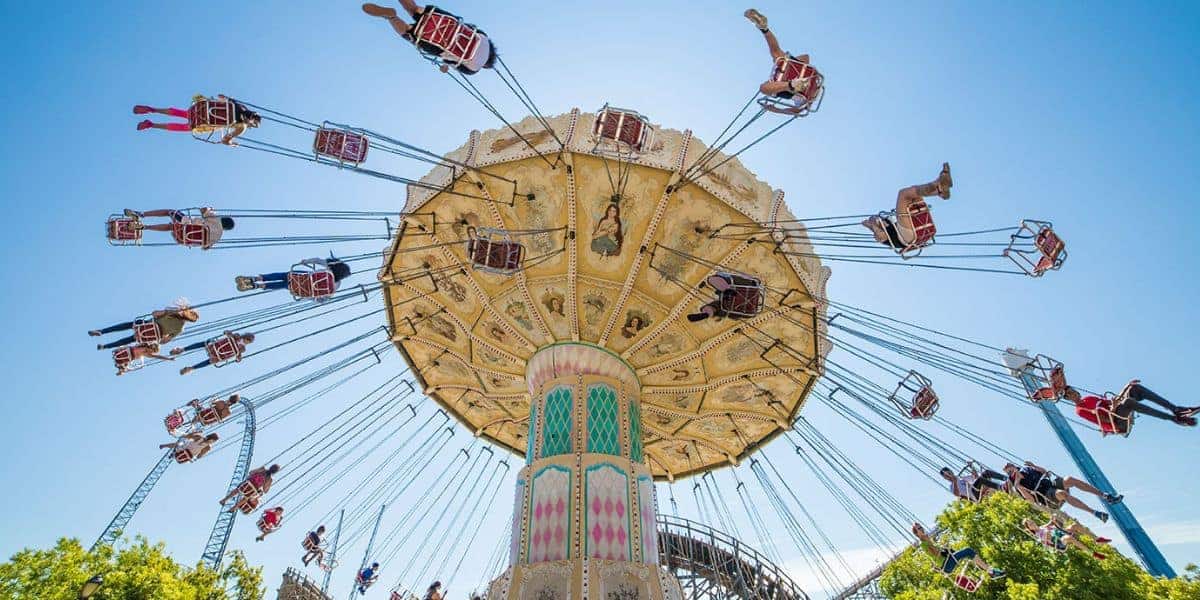
California’s Great America will close its doors early this season, with the last operating day scheduled for October 26. Additionally, the park has canceled several popular seasonal events, including Tricks and Treats and Winterfest, further extending the adverse effects on its appeal and potential revenue streams. The combination of job losses and event cancellations raises critical questions about the park’s future viability.
Future Speculations Surrounding Park Operations
The impending closure of California’s Great America ties into larger market trends, particularly regarding real estate in Santa Clara. The value of the land where the park is located has significantly increased, mainly due to its proximity to Levi’s Stadium. This prime location has attracted interest from developers who may see more lucrative residential and commercial project opportunities than the park.
Six Flags’s lease termination clause in an agreement with Prologis, the company that purchased the land for $310 million, complicates matters. This clause allows Prologis to terminate the lease with a two-year notice, adding to the uncertainty surrounding the park’s future. Six Flags has hinted that California’s Great America will reopen in 2026, but recent developments raise serious doubts about whether the park will operate in its current form.
Community Reactions to Potential Closures
The situation at California’s Great America has sparked various reactions from the local community. Many residents have expressed deep concerns about the job losses and the broader implications for the local economy. The park has been a staple of entertainment and community engagement in Santa Clara, and its uncertain future poses risks for local businesses that rely heavily on guests drawn to the park.
California’s Great America is not merely an amusement park; it embodies a significant part of the community’s cultural identity. Should it close, the loss would resonate beyond the financial impact. Local businesses, which flourish thanks to the influx of visitors to the park, could face substantial hardships, potentially disrupting the economic fabric of the area.
Residents have voiced mixed feelings about the park’s potential closure. For some, California’s Great America represents cherished memories and significant community engagement, while others are more worried about the impacts on local commerce. The concerns reflect a blend of disappointment, nostalgia, and anxiety about the future for a site that has played a key role in the community for years.

As Six Flags confronts financial hurdles, the situation at California’s Great America remains pivotal. The combination of layoffs, early park closure, and ongoing speculation about the park’s future underscores the precarious position in which the amusement park finds itself. While the company has expressed plans for reopening, the community watches closely, hoping for clarity in uncertain times.


