Touchpoint Extinction: The Creator of Disney’s MagicBand Develops AI to Make Wristbands Obsolete

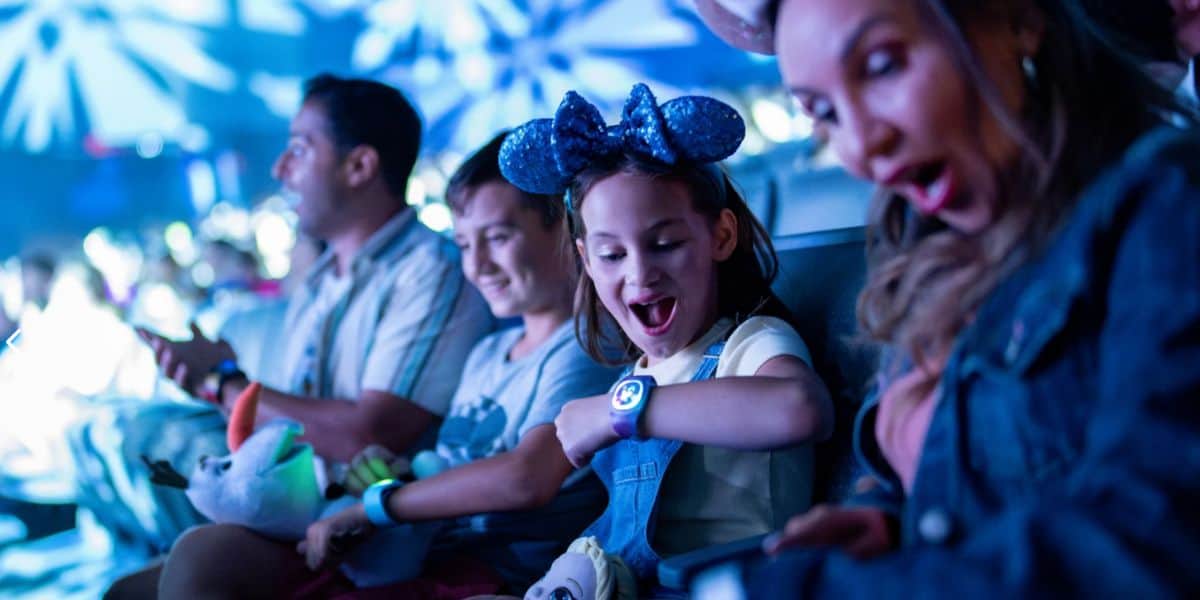
For more than ten years, tapping a rubber band against an illuminated RFID sensor has defined the modern Disney vacation. Debuting in 2013 as part of a landmark $1 billion investment, the MagicBand—and its current interactive successor, MagicBand+—streamlined how millions of guests navigate hotel doors, park turnstiles, line reservations, and merchant counters.

Yet the visionary executive who pioneered that system is now designing the very technology that could render physical wristbands obsolete.
John Padgett, the former Disney executive credited with steering the development of the MagicBand, has officially unveiled his latest venture: Spaxial. As first reported by Forbes, Padgett is building what is described as the world’s first “experiential artificial intelligence platform”—an ambient, screen-free software network engineered to anticipate guest needs in real time without plastic bracelets, keycards, or smartphone check-ins.
From Wearables Pioneer to Ambient AI
Padgett’s influence on the leisure industry spans decades. During an 18-year career at The Walt Disney Company, he rose to become the Head of Game-Changer Experience Development. There, he helped spearhead several foundational innovations:

- The MagicBand and MyMagic+: The multi-tiered Internet of Things (IoT) ecosystem that unified digital vacation planning with onsite operations.
- FastPass+: Disney’s advanced digital booking network, which served as the structural predecessor to modern Lightning Lane passes.
- Be Our Guest Restaurant: Magic Kingdom’s Fantasyland dining hall, which utilized early transponder pucks so servers could deliver hot meals directly to unassigned tables.
Padgett later joined Carnival Corporation and Princess Cruises, where he expanded wearable tech by introducing the OceanMedallion. This quarter-sized disc automatically unlocked stateroom doors upon approach and allowed passengers to order food and drinks directly to their loungers.
Now, through his development firm SpaxialWorks, Padgett is cutting out the hardware middleman entirely.
What Is Spaxial, and How Does It Work?
While wearables solved the problem of carrying paper tickets, they introduced their own operational friction: guests must remember to purchase, pack, charge, wear, and tap them against stationary readers. Smartphones eliminate extra hardware, but they inadvertently pull guests into their screens for hours during family vacations.

Spaxial bypasses both formats by turning the physical destination into a responsive, ambient environment. According to Forbes, the platform operates through a patent-pending fusion of three elements:
- Secure Identity: Frictionless, consent-based recognition that authenticates guests without constant credential scanning.
- Precision Spatial Tracking: Real-time environmental sensors that understand the movement, proximity, and flow of visitors across massive resorts.
- Proprietary Experiential AI: Machine learning models that synthesize guest preferences, operational conditions, and schedule changes in milliseconds.
Historically, leisure businesses have operated on siloed networks—hotel booking systems, dining apps, line management, and retail registers rarely communicate seamlessly. Spaxial serves as an overarching intelligent layer atop legacy software, providing frontline staff with real-time context about the guest in front of them.
Elevating Frontline Hospitality
Unlike corporate AI initiatives focused on cutting staff through kiosks and chatbots, Padgett emphasizes that Spaxial is built to empower frontline hospitality workers.

Speaking to Forbes, Padgett underscored where artificial intelligence should deliver value:
“The leisure travel and entertainment industry is infusing AI into the call centers and the back office, and that certainly helps with cost efficiencies, but true topline value is created in front of the guest via better service delivery. That’s where Spaxial is focused.”
By moving identity verification, ticketing, and payments into the background, employees are freed from staring down at monitors. When a family approaches a concierge desk or quick-service counter, staff can receive intelligent cues regarding dietary restrictions, party milestones, or even a recent ride delay, enabling proactive service before the guest even asks.

While Disney remains committed to its proprietary MagicBand+ and mobile app ecosystems, industry reports suggest international leisure operators—such as Miral, which operates Yas Island’s mega-parks in Abu Dhabi—are the most likely proving grounds for this tech.
If Padgett’s newest vision catches on, the future of theme park travel won’t involve tapping a wristband against a sensor at all. Instead, the magic will happen invisibly all around you.