 Disney Tips Your Guide To A Great Disney Vacation

In May 2025, The Walt Disney Company did the unthinkable: it finally officially announced its seventh global theme park destination, Disneyland Abu Dhabi. Planned for the shimmering waterfront of Yas Island, the park was envisioned as a futuristic, “authentically Disney and distinctly Emirati” oasis. For fans who had spent decades tracing rumors of a “Disney Dubai,” the 2025 reveal—complete with concept art of a desert-inspired castle—felt like the final frontier of the Disney empire had been conquered.

But as we march through March 2026, the pixie dust is being choked out by the smoke of a regional conflagration. The escalating conflict between the United States, Israel, and Iran has transformed the Persian Gulf into a high-stakes combat zone, and Disney’s multi-billion-dollar Middle Eastern dream is suddenly sitting in the crosshairs.
According to a bombshell Reuters report citing the Financial Times, Gulf Arab states are currently conducting a massive review of their global investment portfolios. As nations like the UAE begin a strategic pullback from U.S.-linked projects to preserve their “war chests,” the future of Disneyland Abu Dhabi—a project that has yet even to break ground—is in grave danger.
The $5 Billion Pullback: Why the UAE is Reviewing the Magic
The Disneyland Abu Dhabi project was structured as a partnership with Miral, Abu Dhabi’s state-backed developer. Unlike the parks in Florida or California, Miral was set to fully fund and build the resort, while Disney would provide the creative design and operational guidance. This “asset-light” model was supposed to be a low-risk win for Disney—until the war began.

The Reuters report reveals that the UAE and neighboring states are facing extreme financial strain due to the war’s impact on energy shipping and a massive surge in defense spending. As a result, Gulf officials are reportedly searching for “force majeure” clauses in current contracts to alleviate economic pressure. For a theme park still in the “proposal” and early planning phase, a “pause” or total cancellation is the most logical way to stop a multi-billion-dollar drain on a sovereign wealth fund that is currently prioritizing regional security.
A Resort on the Front Lines: The Logistics of a War Zone
Even if funding remained secure, the physical realities of 2026 make building a theme park nearly impossible. Disneyland Abu Dhabi was designed to be a “waterfront destination,” but that very coast is now part of a regional flashpoint.
- The “Soft Target” Dilemma: A Disney park is the ultimate symbol of American cultural soft power. In the current climate of retaliatory strikes, a massive Disney complex would be a high-profile target. The “geopolitical risk premium” for insuring such a project has become prohibitively expensive.
- Supply Chain Paralysis: Building a Disney park requires specialized steel, advanced robotics from California, and tech from Asia. With Gulf shipping lanes under constant threat, the logistics of terraforming Yas Island have become a nightmare.
- The Tourism Vacuum: Disney parks rely on “fly-in” tourists. With international arrivals to the Middle East plummeting due to the conflict, the financial projections that made the Abu Dhabi park viable have collapsed.
The Walden-D’Amaro Strategy: Safety First?
The crisis comes at a time of significant change within Disney’s leadership. Following the February 2026 announcement that Josh D’Amaro will succeed Bob Iger as CEO, and with Dana Walden overseeing the creative direction as CCO, the studio has taken a “pruning” approach.
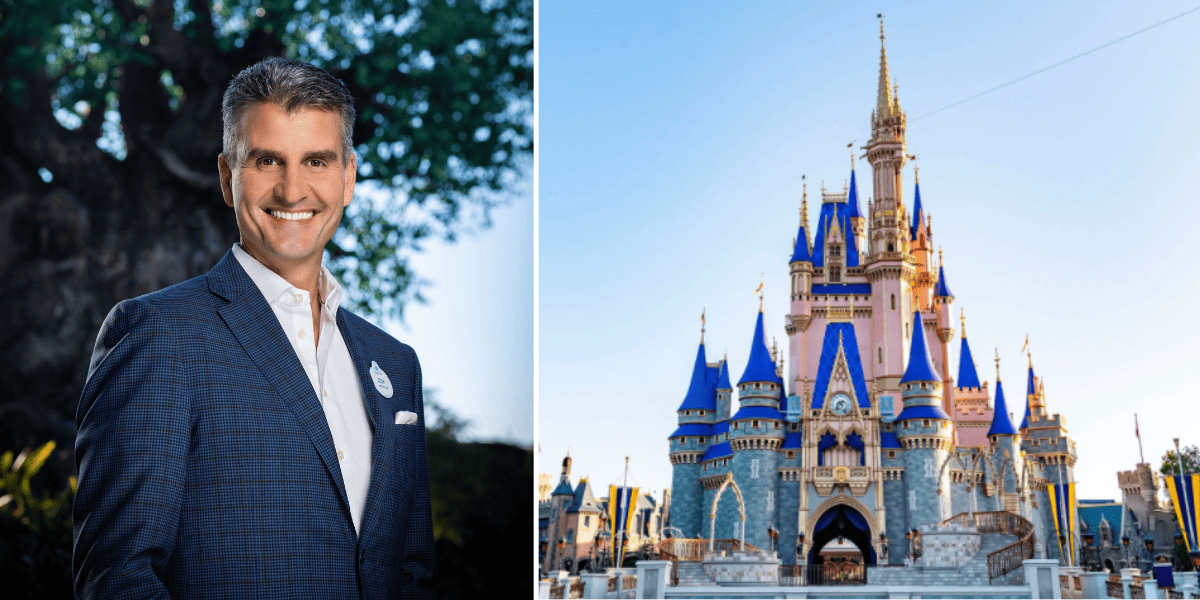
We have already seen Walden cancel remakes like Robin Hood to focus on high-stakes, high-quality projects. If the UAE’s Miral Group begins to waver on its funding commitment, D’Amaro and Walden are unlikely to fight for a project in a war zone. Disney’s priority in 2026 has shifted toward domestic expansions—like “Villains Land” in Florida—which offer a safe return on investment.
Is Disneyland Abu Dhabi destined to remain a desert mirage?