 Disney Tips Your Guide To A Great Disney Vacation
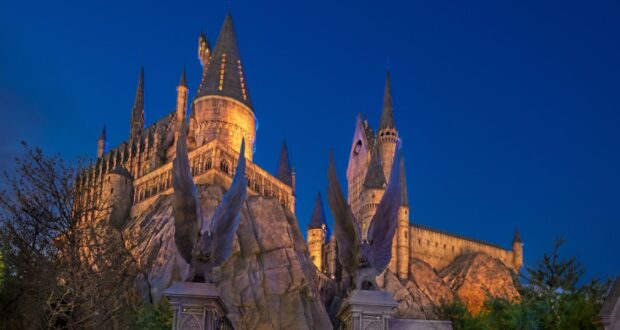
One Universal Studios theme park has recorded a sharp rise in demand this winter, driven by weather rather than new attractions or major operational changes.
Universal operates theme parks across multiple regions, each shaped by local climate and tourism patterns. While its U.S. parks benefit from relatively stable year-round weather, international resorts often experience more pronounced seasonal shifts.
Credit: Universal Beijing Resort
Those differences are most visible during winter. Outside the United States, colder temperatures and snowfall can materially affect how guests plan visits and how parks are experienced.
Universal’s Asian parks operate under those conditions annually. Winter weather is a predictable factor in both Osaka and Beijing, where temperatures routinely drop well below what most theme park guests associate with a typical visit.
Universal Studios Japan in Osaka regularly experiences near-freezing temperatures during winter months. Snowfall occurs most years, creating a noticeably different environment compared with peak seasons.
Credit: Universal Beijing Resort
Beijing’s winters are more severe. Temperatures often fall below freezing for extended periods, and snowfall is expected rather than unusual.
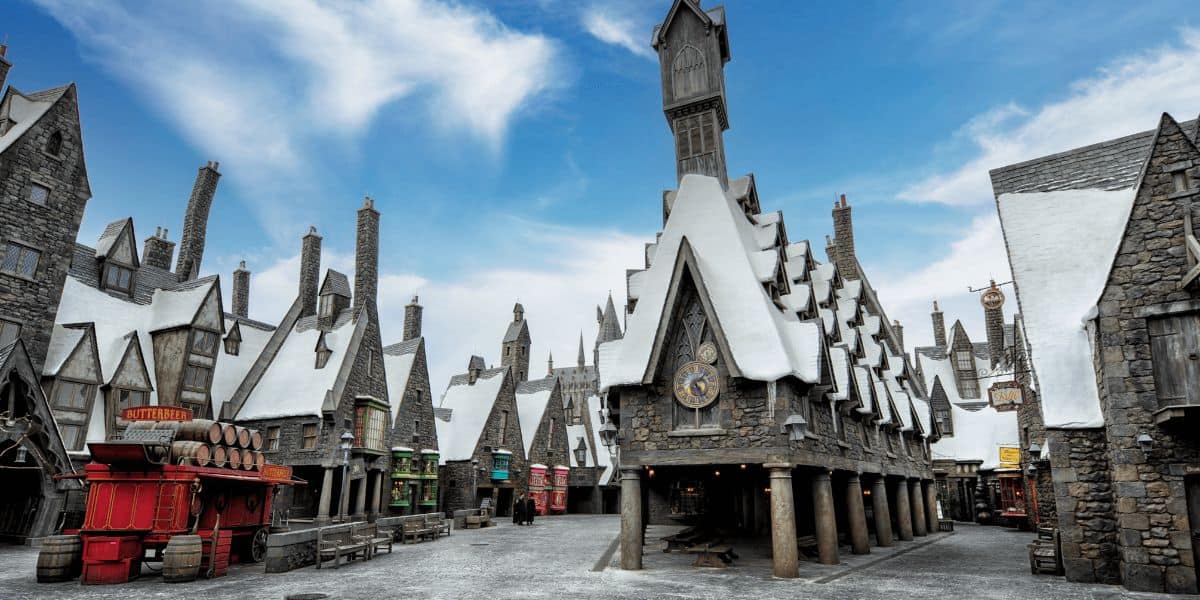
When snow arrives, Universal Beijing Resort — home to attractions such as The Wizarding World of Harry Potter, Transformers Metrobase, and Jurassic World Isla Nublar — takes on a noticeably different character. Attractions, pathways, and architectural elements appear altered, offering a visual experience unavailable during warmer periods.
Snowfall Drives Short-Term Demand
That change became measurable following the season’s first snowfall on December 12.
According to data from the Tongcheng Travel platform, searches for two major Beijing attractions — the Palace Museum and Universal Beijing Resort — increased shortly after snowfall began.
Credit: Universal Beijing Resort
Searches for Universal Beijing Resort rose by more than 40%, indicating heightened interest tied directly to winter conditions.
Ticket bookings showed an even stronger response. Reservations for the following Saturday and Sunday increased by more than 80% compared with the previous week.
Nearby hotels also saw a rise in bookings over the same period. Families and young adults accounted for much of the increase, suggesting the snowfall was viewed as an enhancement rather than a deterrent.
Some visitors adjusted arrival times to maximize time inside the park during snowy conditions, with off-peak hotel check-ins becoming more common.
Seasonal Weather as a Competitive Factor
Much of the appeal centered on visual changes. Snow-covered themed areas offered guests a version of the park not typically available during standard operating periods.
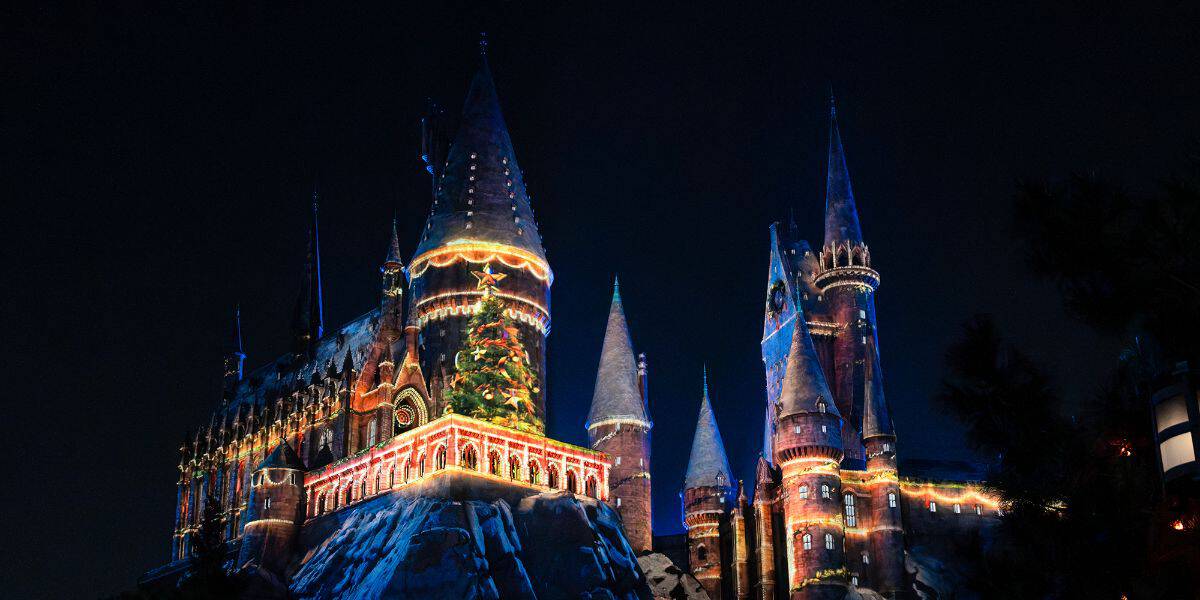
The Wizarding World of Harry Potter drew particular attention. Natural snowfall surrounding Hogwarts Castle created imagery rarely seen at Universal’s U.S. parks, where winter effects are limited or simulated.
Credit: Universal Beijing Resort
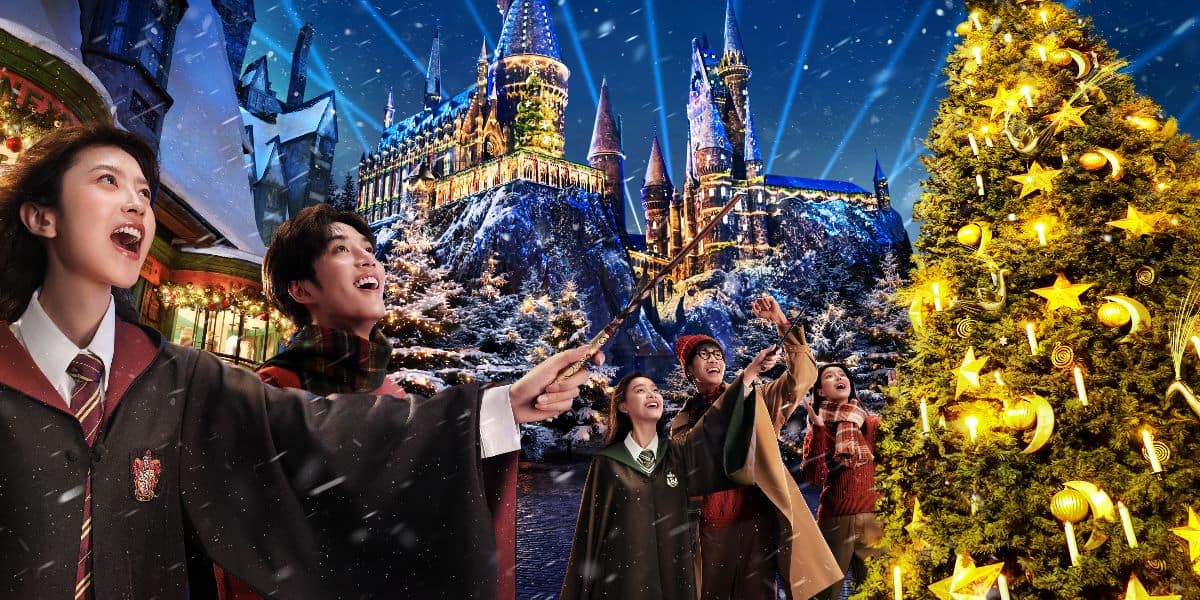
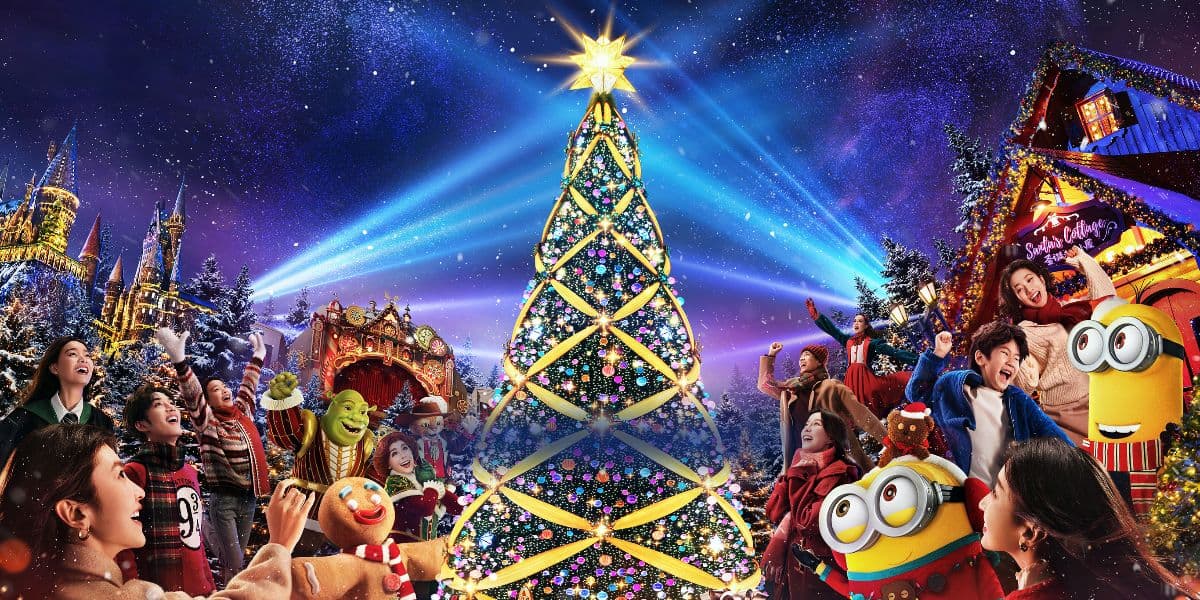
Seasonal offerings further supported demand. The land is currently featuring a Christmas tree in Hogsmeade and The Magic of Christmas at Hogwarts Castle, which includes holiday-themed projection effects.
The response highlights how seasonal weather can drive demand at international theme parks. In certain markets, winter conditions may function less as an obstacle and more as a short-term draw.
Do you plan on visiting Universal Beijing Resort any time soon?