 Disney Tips Your Guide To A Great Disney Vacation
Walt Disney’s Political Ideology
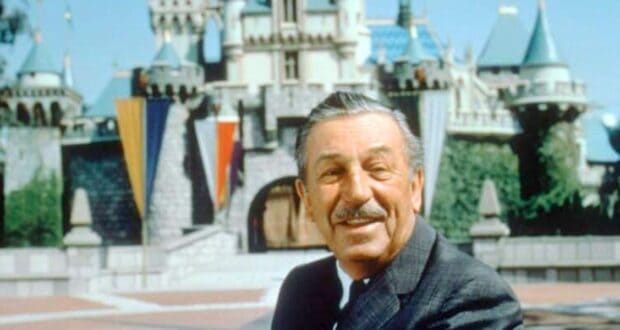
Walt Disney’s political beliefs were undeniably shaped by his strong sense of patriotism, especially during World War II. He channeled this fervent nationalism into his work, with approximately 90% of his studio’s output directed toward the war effort. Disney created films that served educational purposes and boosted morale, solidifying his image as a quintessentially American figure. This dedication to his country, however, had its consequences for his relationships with those around him.

As the war concluded, Disney’s focus shifted toward labor relations, particularly in response to unionization efforts. In 1941, he faced significant backlash from animators attempting to form a union, leading to a massive strike. Disney’s response, which involved accusations of communist affiliations against his animators, signified a growing rift between his hardline anti-communist views and workers’ rights.
Not long after, in 1947, he testified before the House Un-American Activities Committee (HUAC), reinforcing his anti-communist stance and revealing the extent of his commitment to his studio’s integrity in a politically charged environment.
Inciting the FBI Collaboration
The collaboration between Walt Disney and the FBI began in earnest in 1936, initiated by friendly correspondence from J. Edgar Hoover. This friendly interaction laid the groundwork for an extensive partnership that lasted nearly three decades.
Walt Disney assumed the role of a Hollywood informant, reportedly providing the FBI with information and insights about individuals suspected of engaging in communist activities. His contributions to the Bureau were substantial enough to earn him the designation of “Special Agent in Charge Contact.”

While the specific details of the information Disney relayed to the FBI remain undisclosed, his trustworthiness and cooperation were evident. The partnership grew as Disney reported on potential communist influences in Hollywood, thereby aligning his actions with Hoover’s agenda of suppressing perceived subversion in the entertainment industry. This connection not only highlighted Disney’s allegiance to U.S. values but also established a direct line of communication between a prominent figure in entertainment and federal law enforcement.
Representation of Law Enforcement
The alliance between Walt Disney and the FBI influenced how law enforcement was depicted in his creative works. Disney made intentional choices to portray the Bureau in a positive light across films and television productions. This strategic representation coincided with broader efforts to promote a favorable image of law enforcement during a time of societal unrest and fear.
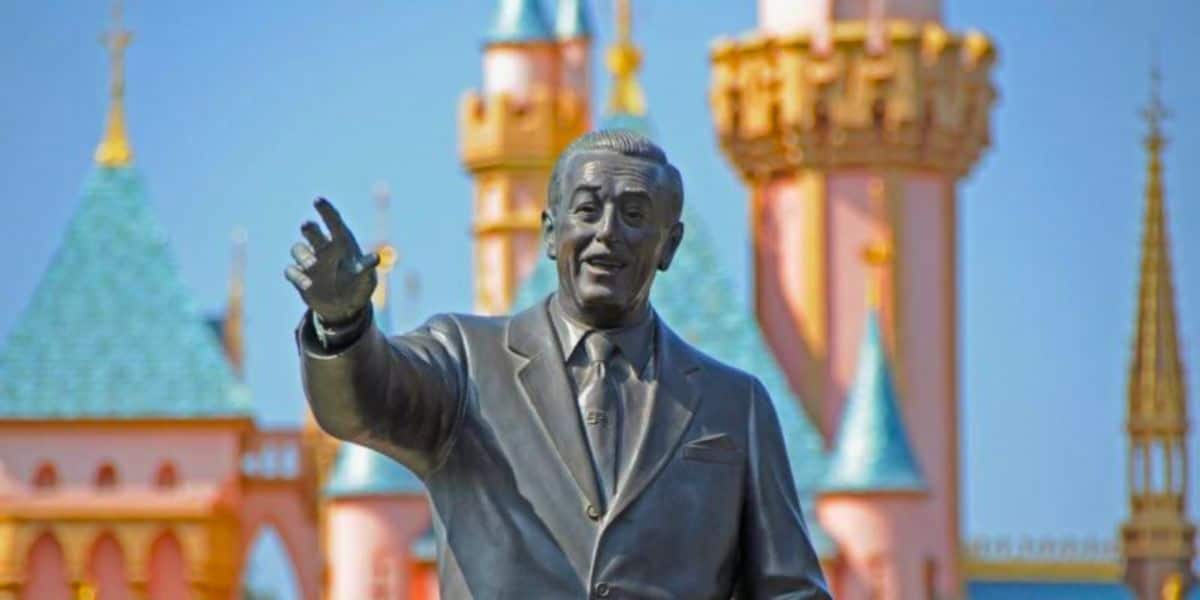
Moreover, Disney provided special privileges to FBI agents, granting them free access to Disneyland as a gesture that exemplified his respect and support for the agency. This practice further solidified the Bureau’s presence in popular culture, weaving the FBI into the fabric of American narratives. Consequently, Disney’s films echoed the relationship he forged with federal authorities, merging the realms of entertainment and real-life surveillance, which resonated with audiences during that era.
Impact of Informant Legacy
The revelation of Walt Disney’s role as an FBI informant has led to mixed reactions from historians and the public alike. Some view his actions as a reflection of unwavering patriotism. At the same time, critics argue that such informants contributed to a climate of repression and fear, stifling artistic expression during the repressive anti-communist period. The accusations facilitated by Disney had lasting repercussions, blocking numerous artists and curtailing the creative freedoms of many.
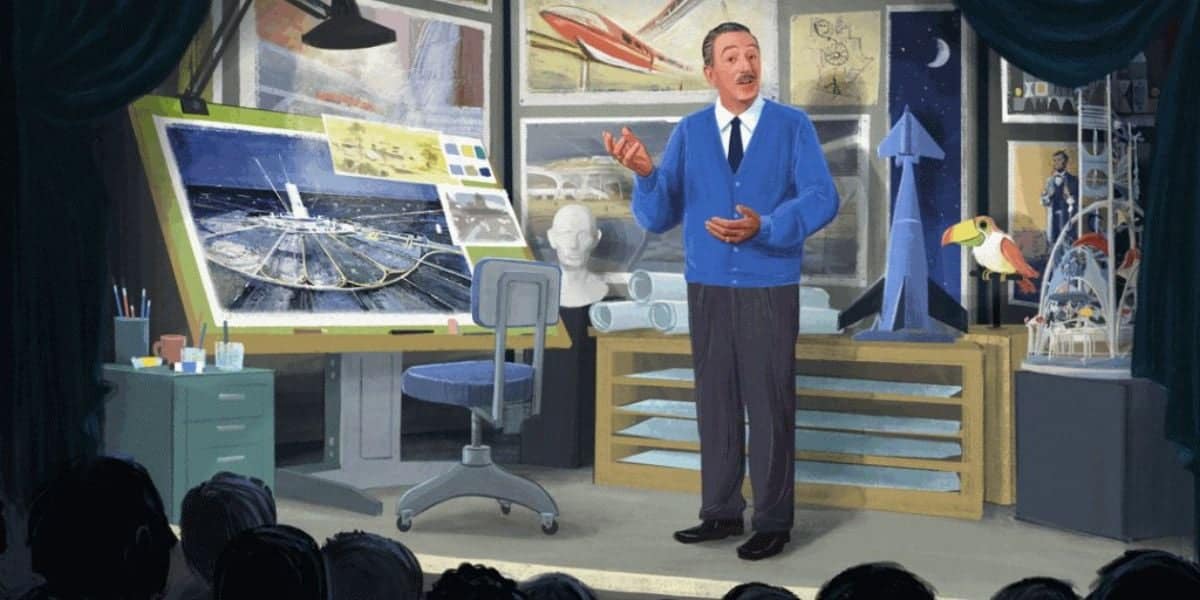
This grim history underscores the broader narrative of confusion and repression that characterized 20th-century America, particularly within the entertainment industry. By examining Disney’s actions within this context, it becomes clear that his patriotic fervor came at a cost—one that had detrimental effects on the creative landscape.
His contributions to American culture do not mark Disney’s legacy solely. Still, they are inextricably tied to a historical web of political intrigue and personal choices, leading audiences to reflect on the implications of creativity interlaced with political fidelity.
As history reveals the nature of Walt Disney’s connections with J. Edgar Hoover and the FBI, it raises essential questions about the place of personal convictions in a changing America. His dual legacy leaves critics and fans alike to ponder the delicate balance between national loyalty and artistic freedom, providing a multifaceted view of the man behind the magic.