 Disney Tips Your Guide To A Great Disney Vacation
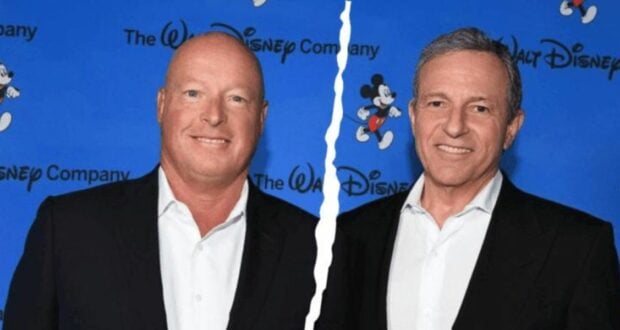
When excerpts from former Disney CEO Bob Chapek’s tell-all memoir, Behind the Castle Walls, hit headlines, Hollywood expected a messy public fallout. In his book, Chapek defended theme park price hikes, accused Bob Iger of corporate sabotage, and claimed Iger secretly resigned in early 2020 because he foresaw the COVID-19 pandemic.

Instead of issuing a defensive statement, Iger responded through the pages of Harvard Business Review. In an in-depth conversation with former Harvard Business School dean Nitin Nohria, Iger dismantled Chapek’s narrative, admitted Disney made a major mistake during the 2020 succession, and slammed Chapek’s inability to manage a crisis—all without ever saying “Bob Chapek.”
Admitting the 2020 Succession Flaw
When Disney’s Board of Directors appointed Chapek in February 2020, the move was touted as a seamless handoff to an executive who delivered record profits at Disney Parks. However, in his HBR interview, Iger candidly acknowledged that familiarity blinded leadership to critical executive flaws.

“We had a process back in 2019 and ’20 when we chose my successor,” Iger explained. “Looking back, perhaps it wasn’t as thorough as we thought, in part because we thought we knew the person extremely well. He’d worked for the company for a very long time and for me directly.”
While Chapek’s memoir frames his tenure as an unfair ambush, Iger’s account reveals that Disney’s leadership simply misjudged Chapek’s fundamental limitations.
“I’m not suggesting that we discounted the weaknesses, but in our zeal to check a box with succession and enable me to move on, first as executive chairman and ultimately to leave, I’m not suggesting that we ignored some of the issues, but I think we discounted them a bit more,” Iger stated.
“You Can’t Retreat to a Bunker”
Chapek’s 33 months at the helm were marked by non-stop controversy: pandemic park closures, talent litigation, $1.5 billion quarterly streaming losses, and political feuds. In his book, Chapek attributes these disasters to bad luck and internal sabotage.
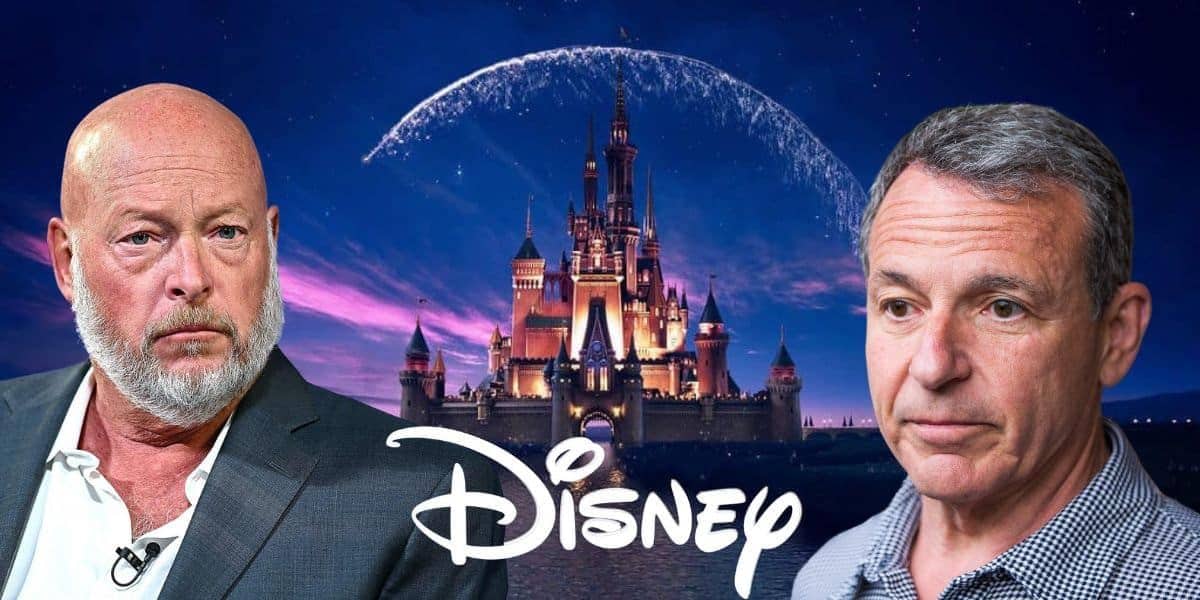
Iger rejected that defense outright, arguing that modern corporate leadership requires an executive capable of navigating constant disruption rather than crumbling under pressure.
“We live in a state of almost perpetual crisis, or an environment in which a crisis can occur almost on a very regular basis,” Iger noted. “I think that requires a different kind of leadership, and I don’t think we realize that at the time.”
Delivering a sharp jab at Chapek’s insular management style, Iger noted: “Now, this is, in a way, hindsight, but I realize today that leadership needs to be capable of managing an environment in perpetual crisis… You can’t retreat to a bunker.”
The Blueprint for Josh D’Amaro
Iger’s reflections explained how Disney corrected its course when selecting current CEO Josh D’Amaro, who took the helm in March 2026. Iger noted that the painful lessons learned from 2020 directly shaped the criteria used to evaluate D’Amaro: “We asked ourselves some of these very questions about that person. Is he resilient? Does he have the stamina? Does he choose a good team?”

Where Bob Chapek’s memoir reads like an angry, score-settling tell-all, Bob Iger’s HBR interview is a study in high-level executive poise. By refusing to say Chapek’s name, Iger elevated the conversation to corporate governance—while sending a crystal-clear message that Chapek wasn’t sabotaged; he was simply wrong for the job.