 Disney Tips Your Guide To A Great Disney Vacation

The “Happiest Place on Earth” has officially moved its headquarters to the federal courtroom. In a dramatic escalation of a year-long feud, DISH Network and its streaming subsidiary Sling TV have filed a landmark federal countersuit against The Walt Disney Company and ESPN, accusing the media titan of operating as an illegal monopoly.

Filed on January 2, 2026, in the U.S. District Court for the Southern District of New York, the lawsuit marks a turning point in the war for the future of television. DISH isn’t just fighting over a contract anymore; they are attempting to dismantle the very foundation of Disney’s multi-billion-dollar cable empire.
The “Must-Have” Weapon: How Disney Controls the Bundle
The heart of DISH’s antitrust claim is that Disney is using ESPN not as a service, but as a weapon. Because live sports—specifically the NFL, NBA, and major college football—remain the only “must-have” content in a world of cord-cutters, ESPN holds a unique market dominance.
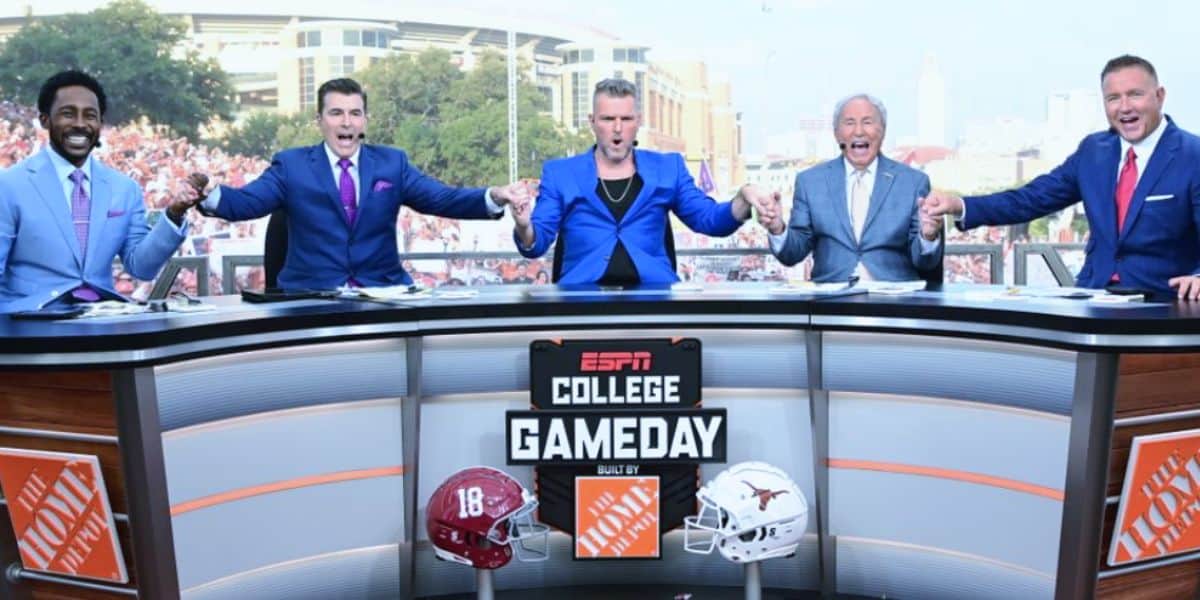
DISH alleges that Disney is violating the Sherman Antitrust Act through a practice known as “illegal tying.” According to the filing:
- Disney allegedly refuses to provide ESPN to distributors unless they also agree to carry a “bloated” suite of lower-value, “zombie” channels like Freeform, Disney Junior, and National Geographic.
- DISH claims this arrangement forces them to pay “hundreds of millions of dollars every year in excess fees” for content their customers do not want or watch.
- By mandating these all-or-nothing bundles, Disney effectively blocks the creation of more affordable, “skinny” sports packages that would lower monthly bills for families.
“Disney is far more powerful than the cute mouse logo suggests,” DISH stated in its blistering court filing. “They are leveraging a sports stranglehold to preserve a dying cable model at the expense of the American consumer.”
The “Sling Pass” Victory: The Spark That Lit the Fuse
The tension reached a breaking point following a significant legal setback for Disney in late 2025. In November, a federal judge denied Disney’s request for an injunction to block “Sling Passes”—a feature allowing users to buy 24-hour or weekend-long access to live sports for as little as $4.99.
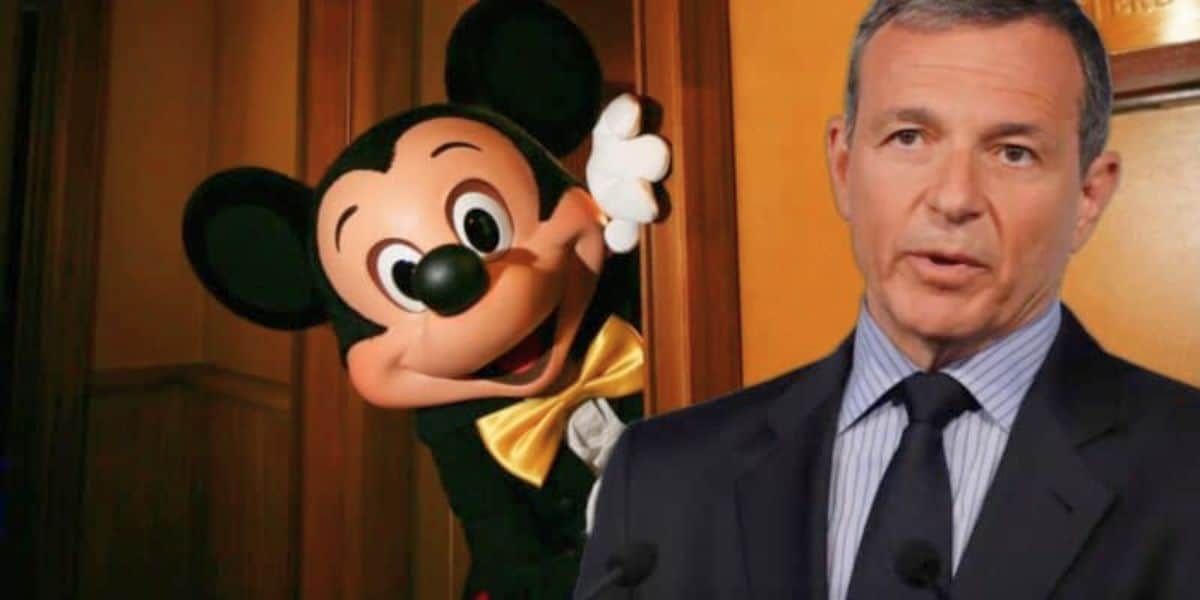
Disney argued these passes violated their carriage agreement, which they claimed mandated monthly subscriptions. However, the court ruled in favor of DISH, noting that Disney had failed to prove “irreparable harm.” Emboldened by the win, DISH briefly dropped the price of a day pass to $1.00 as a “thank you” to customers, a move that many viewed as a direct taunt toward Disney CEO Bob Iger.
Now, DISH is using that momentum to go after Disney’s largest acquisitions.
Seeking an “Unwinding” of the Disney Empire
Perhaps the most shocking part of the countersuit is the relief DISH is seeking. They aren’t just looking for money; they want the court to force an “unwinding” of Disney’s recent moves to consolidate the sports market.

DISH is specifically targeting:
- The Fubo Acquisition: DISH argues that Disney’s 2025 purchase of sports-focused streamer Fubo was a “predatory” move designed to eliminate a major competitor in the skinny bundle market.
- The ESPN-Fox One Bundle: The suit alleges this joint venture further concentrates power, making it impossible for third-party providers to offer competitive streaming options.
- ESPN Unlimited: DISH claims that by launching its own standalone streaming service while simultaneously blocking competitors from offering similar flexible options, Disney is attempting to become the “sole provider of the future of sports.”
2026 Blackout Warning: What Fans Need to Know
For the millions of subscribers on DISH and Sling TV, this legal warfare is more than just corporate drama—it is a countdown to a potential blackout.

Industry analysts have confirmed that the current carriage agreement between DISH and Disney is set to expire later in 2026. With both companies now suing each other in federal court, the likelihood of a smooth renewal is virtually zero. If a new deal isn’t reached, subscribers could lose access to:
- ESPN, ESPN2, and ABC Sports
- Local ABC affiliates in major markets
- FX, Disney Channel, and Hulu-integrated content
Disney has dismissed DISH’s monopoly claims as a “distraction tactic” intended to cover up DISH’s own breach of contract. “Dish’s counterclaims have no merit,” a Disney spokesperson said. “We look forward to vindicating our position in court.”
The Final Verdict for the “Big Bundle”
As we move through 2026, the DISH vs. Disney trial is expected to be the most-watched legal battle in media history. If DISH wins, it could mean the end of the “mandatory bundle,” allowing you to pay for only the channels you watch, finally. If Disney wins, the Mouse’s grip on the living room will be tighter than ever.

One thing is sure: the era of “polite” negotiations is over. The battle for the future of sports TV is now a fight to the death in the hallowed halls of federal court.