
 Disney Tips Your Guide To A Great Disney Vacation

For decades, the health of the Walt Disney World and Disneyland resorts was measured by a simple metric: the turnstile. If the parks were shoulder-to-shoulder and the wait times were astronomical, Disney was winning. But as the financial results for the second quarter of 2026 have just revealed, that old-school philosophy has been officially retired.

In a move that has stunned financial analysts and frustrated the traditional middle-class fan base, The Walt Disney Company has reported a record-breaking $9.49 billion in revenue for its “Experiences” division in Q2 2026. However, hidden beneath that staggering number is a detail that seems almost contradictory: attendance at the domestic parks is actually down.
The message from Burbank is now crystal clear: Disney doesn’t need a “sea of people” to make a fortune. In fact, they’ve discovered they prefer a smaller, wealthier crowd that is willing to pay a premium for a “ghost town” experience.
The Josh D’Amaro Strategy: Yield Over Volume
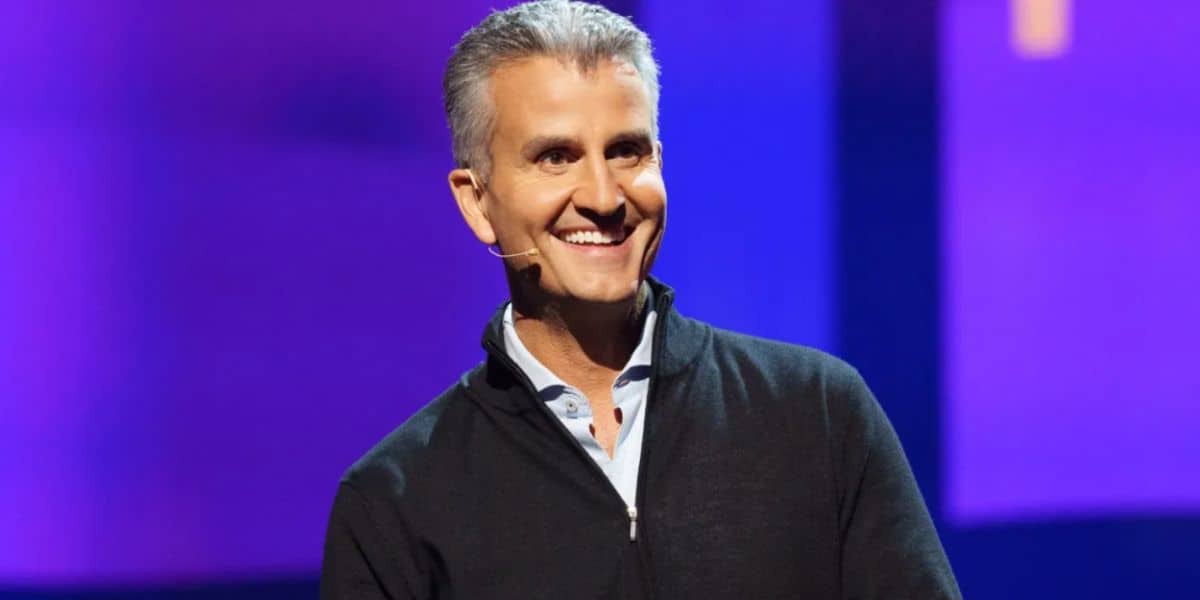
This quarter marks a significant milestone for Josh D’Amaro, who has overseen the Experiences division through its most aggressive pricing evolution in history. Under his tenure, the goal has shifted from “volume” to “yield.”
For years, the number one complaint from guests was that the parks were too crowded. Disney’s solution wasn’t necessarily to build massive new capacity (though the “Beyond Big Thunder” expansion is on the horizon), but to use price as a gatekeeper. By raising the barrier to entry, Disney has successfully thinned out the crowds while simultaneously extracting more money from every person who walks through the gates.
According to the Q2 2026 report, guest spending per capita is at an all-time high. People are staying in more expensive rooms, eating more expensive meals, and—most importantly—paying more to avoid the very lines that the decreased attendance should have shortened.
The Record-High Cost of “Pixie Dust”
How exactly does a park with fewer people make more money? It comes down to a strategy of “premiumization.” In 2026, a Disney ticket is merely the starting point of a much larger financial commitment:

- The Lightning Lane Tax: The transition to the paid Lightning Lane Multi Pass system has turned wait times into a commodity. Even with lower attendance, guests are conditioned to pay $25 to $40 per day as a “mandatory” tax to skip the lines.
- The Luxury Hotel Pivot: Disney has leaned into its Deluxe resorts. A single guest staying at the Grand Floridian or the Polynesian is worth more to the bottom line than five guests staying off-property.
- Streaming as a Safety Net: For the first time, Disney’s streaming income has exploded by 88%. Now that Disney+ is a profit engine, the company has the financial “cushion” to be patient with the parks. They don’t have to lower ticket prices to entice crowds because the streaming revenue is providing the growth Wall Street demands.
The Disappearing Middle Class
The data highlights a sobering reality: the quintessential middle-class Disney vacation is becoming an endangered species. By intentionally keeping attendance lower and prices higher, Disney is effectively pricing out the demographic that built the parks in the 1970s and 80s.

For Disney, this isn’t a PR disaster—it’s a business optimization. A park at 75% capacity, with guests spending $500 a day, is more profitable and has lower overhead than a park at 100% capacity, with guests spending $200 a day. The stress on the infrastructure is lower, but the profit margins are record-breaking.
In 2026, Disney isn’t just selling magic; they are selling exclusivity. And as the $9.49 billion revenue proves, exclusivity is a very, very good business.
Do you think Disney is right to prioritize the “luxury” experience, or is the company losing its soul by pricing out the average family?


