 Disney Tips Your Guide To A Great Disney Vacation

On the afternoon of Wednesday, July 1, 2026, a restful summer day took an abrupt turn for visitors at Disney’s Wilderness Lodge. Emergency alarms echoed through the rustic main building of the Walt Disney World Deluxe Resort, triggering an immediate, full-scale evacuation. Hundreds of guests were forced to abandon their hotel rooms, dining reservations, and common areas, streaming outside into the mid-afternoon heat.

While routine safety evacuations are standard procedure at major resort hotels, this midday emergency drew intense scrutiny. The incident occurred just two weeks after the flagship property suffered a severe four-day collapse of its air-conditioning infrastructure, leaving large portions of the resort without climate control during a punishing Central Florida heatwave.
An Afternoon of Investigation
The emergency response to the July 1 incident was swift. Multiple fire engines and support units from the Reedy Creek Professional Firefighters quickly arrived at the resort’s front entrance, establishing a safety perimeter around the grand log atrium.
As guests gathered along the outdoor pathways, pool decks, and boat docks, details about the cause began to emerge. Evacuated visitors noted visible flames or smoke escaping the building. However, several parties reported a distinct, unusual odor developing within the resort’s massive timber lobby right before the alarms sounded.
Emergency personnel spent roughly two hours conducting a meticulous sweep of the facility to investigate the mysterious scent and verify the building’s underlying mechanical and electrical safety. Fortunately, no active hazards or structural damage were discovered. By 5:25 p.m., the evacuation order was officially lifted, and Disney Cast Members cleared guests to return safely inside.
The Recent Climate Control Crisis
The afternoon scare capped off a remarkably stressful two-week period for the resort’s maintenance teams. Back on Thursday, June 19, 2026, the central cooling tower infrastructure—specifically the primary chiller lines servicing the main building—suffered a catastrophic mechanical breakdown.

The timing was brutal. Central Florida was locked in a severe heat wave, with real-feel heat index values soaring between 105°F and 110°F. Without central air conditioning, conditions inside the heavy-timber resort rapidly deteriorated over four consecutive days:
- Room Stagnation: Ambient temperatures inside guest rooms climbed into the uncomfortably humid mid-80s, particularly on the upper levels.
- Lobby Humidity: The grand, vaulted open atrium trapped the stagnant summer air, turning the resort’s premier indoor space into a thermal trap.
- Kitchen Disruptions: Extreme ambient heat eventually forced localized closures at select dining venues where conditions became unsafe for working Cast Members.
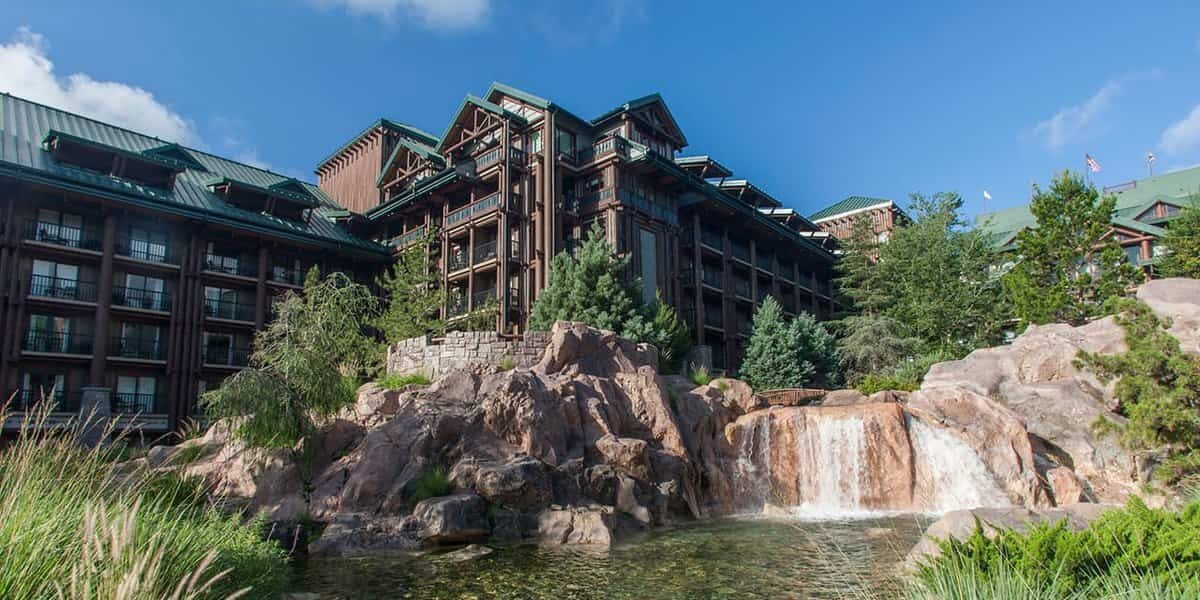
Disney engineers fought the “heat soak” phenomenon—where the building’s dense log-and-stone structure retains absorbed heat—by deploying a patchwork network of temporary commercial spot-coolers throughout the corridors. A planned, complete system shutdown on June 24 finally allowed crews to implement permanent repairs and restore stable air conditioning, just days before the July 1 evacuation.
Looking Ahead
The July 1 emergency adds another layer of complexity to a resort already navigating a heavy operational footprint. Parts of the legendary 1994 property are currently covered in scaffolding and construction equipment for an extensive, ongoing exterior refurbishment project.

While Disney has not officially confirmed whether the afternoon alarm was connected to the recent heavy HVAC overhauls or the exterior construction, the incident highlights the steep demands of maintaining a classic property during peak summer travel. Ultimately, the rapid, coordinated response by Disney staff and first responders ensured the scare was resolved safely, with zero reported injuries, allowing families to resume their vacations quickly.