 Disney Tips Your Guide To A Great Disney Vacation

In the high-stakes world of Hollywood economics, geopolitical tightrope walking is part of the job. But in 2026, The Walt Disney Company has elevated this delicate dance to a science. A single misstep can instantly erase hundreds of millions of dollars in international theatrical revenue, forcing studio executives to develop hyper-sensitive internal radar.
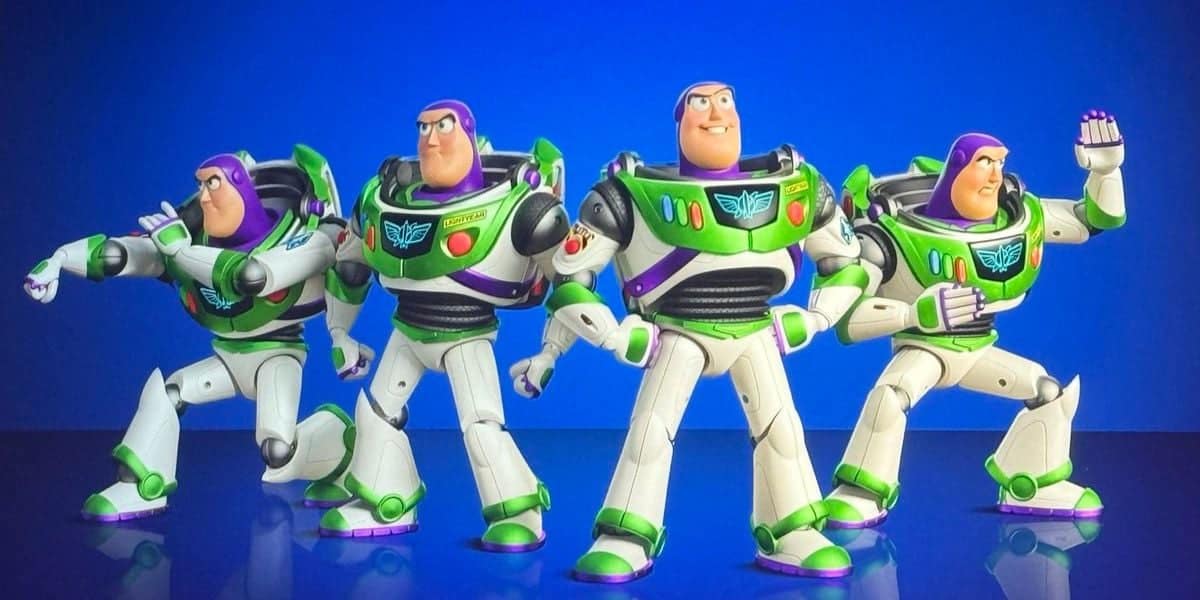
This corporate anxiety recently triggered a quiet explosion behind the scenes at Pixar. Reports surfaced that Disney directly intervened in a Hollywood cultural delegation’s trip to India, pulling Pixar’s Chief Creative Officer, Pete Docter, out of a scheduled meeting with Tibet’s exiled spiritual leader, the Dalai Lama.
While early internet rumors claimed that Beijing authorities had issued a harsh ultimatum, the truth is far more telling: Disney never received an explicit warning. Instead, the House of Mouse acted out of pure, preemptive panic—terrified of alienating the Chinese government right before the massive summer launch of Toy Story 5.
The Sudden Midnight Flight Home
The controversy began during a creative delegation trip to India, which included prominent Hollywood figures like Wonder Woman director Patty Jenkins. Among them was Pete Docter, the creative genius behind Up and Inside Out. The itinerary included a private audience with the Dalai Lama.

To Western audiences, it was a harmless cultural exchange. To the Chinese Communist Party (CCP), the spiritual leader is viewed as a political separatist, making any meeting a definitive red line.
When corporate leaders back in Burbank realized what was on Docter’s schedule, internal alarms blared. Beijing was likely completely unaware the trip was even happening, but the mere possibility of a future backlash was enough to send Disney into a tailspin.
Executives quickly “educated” the Pixar CCO on the immense geopolitical stakes. To avoid the risk of future blacklisting, Doctor and his wife abruptly skipped the meeting, left the delegation, and boarded the first flight back to the United States.
The Multi-Million Dollar Shadow of ‘Zootopia 2’
Why did Disney panic over a meeting that hadn’t even happened? The answer comes down to cold, hard box office math. Flagship Pixar sequels are extraordinarily expensive, regularly eclipsing $300 million in production and marketing costs. To guarantee profitability, they need flawless global distribution.
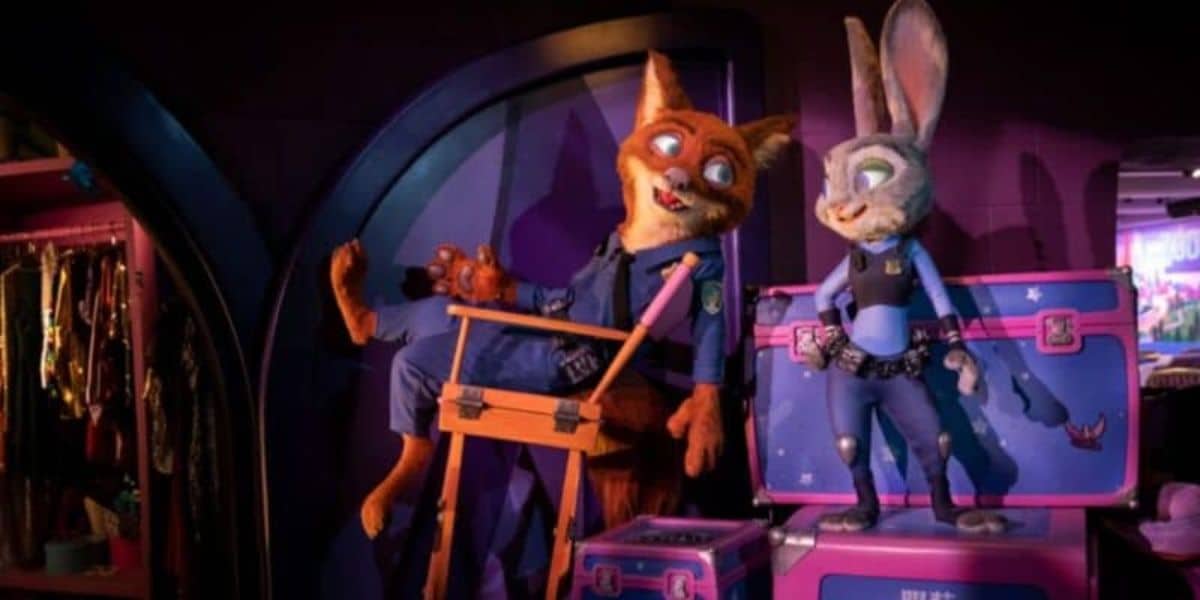
More importantly, Disney executives are currently staring at the historic, record-breaking footprint left by Zootopia 2 in the Chinese market:
The $650M Juggernaut: Zootopia 2 pulled in an astronomical $651.45 million USD in China alone, outperforming its domestic North American run.
The Milestone: It officially became the highest-grossing Hollywood animated film of all time in the Chinese market.
The Appetite: At its peak, the sequel accounted for over 80% of nationwide ticket sales, proving that Chinese audiences have an insatiable appetite for top-tier Disney animation.
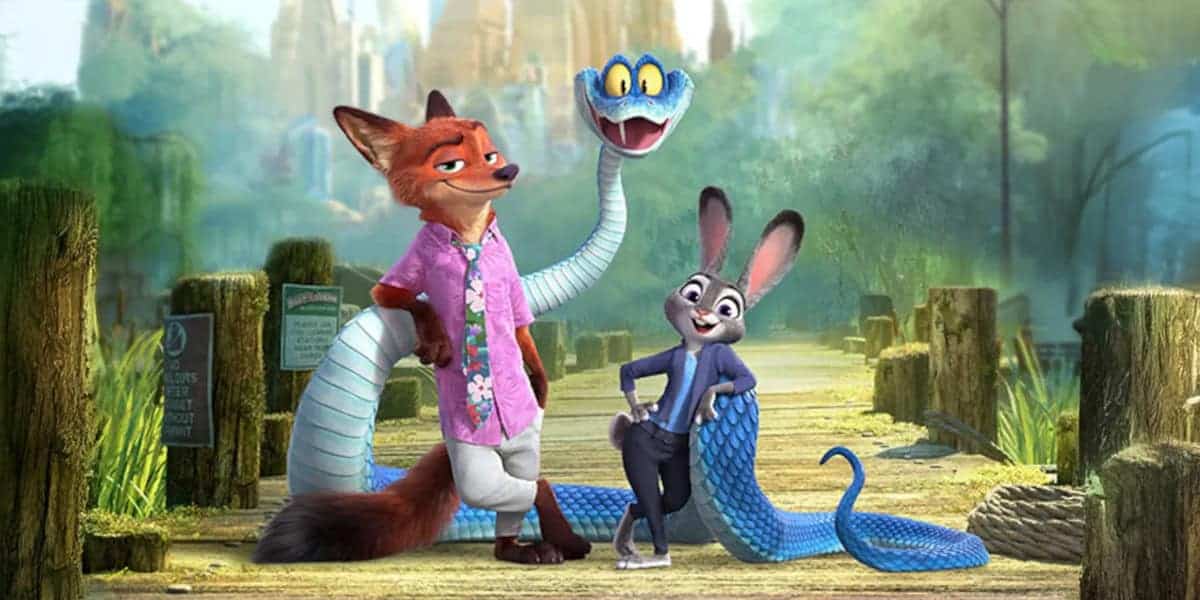
The unprecedented success of Zootopia 2 proved that China is a literal goldmine. If Toy Story 5 can replicate that success, it guarantees a massive financial home run for Pixar. Conversely, losing the market over a political controversy would put the film in a dangerous financial hole.
Preemptive Compliance: The New Normal
Disney’s hyper-vigilance is rooted in historical trauma. Back in 1997, Disney distributed Martin Scorsese’s Kundun, a film about the Dalai Lama. China retaliated by temporarily banning all Disney films and halting future business negotiations. It took years of corporate apologies to mend the relationship—a relationship that eventually paved the way for the multi-billion-dollar Shanghai Disneyland Resort.

With billions now tied to Chinese infrastructure, Disney has mastered the art of preemptive compliance. They don’t need an explicit threat to fall in line; their own anxiety does the work for them.
By pulling Docter away from the Dalai Lama before a single complaint was made, Disney chose to self-censor to safeguard its upcoming box office projections. Woody and Buzz Lightyear will safely march onto Chinese movie screens this summer, clear of geopolitical crosshairs—all because Disney’s internal fear of the dragon was enough to protect the magic of the bottom line.