
 Disney Tips Your Guide To A Great Disney Vacation
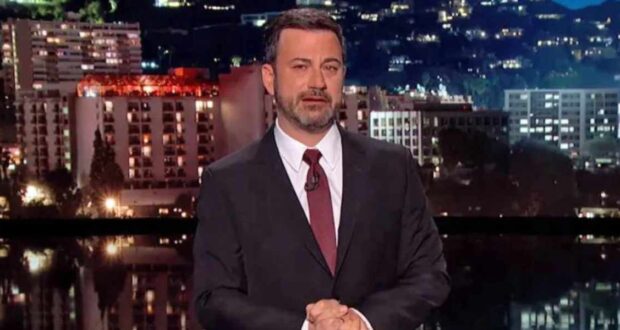
Sinclair’s Decision on Kimmel’s Return
Sinclair Broadcast Group has decided not to air Jimmy Kimmel’s return episode, which sends ripples across the broadcasting landscape. Sinclair, which owns the most significant number of ABC affiliates in the United States, has cited Kimmel’s previous remarks as “inappropriate” for their decision. The programming will instead pivot towards news segments, marking a significant shift in their late-night offerings. Ongoing discussions between Sinclair and Disney indicate that the debate regarding Kimmel’s return is far from settled.
The announcement regarding Jimmy Kimmel’s absence from Sinclair’s programming came with a clear statement from the company. Sinclair emphasized its commitment to maintaining content that aligns with its values and the expectations of its audience. The decision has not surprised industry watchers, given the contentious nature of Kimmel’s past comments that had already drawn public outcry.
By replacing Kimmel’s late-night show with news programming, Sinclair attempts to reinforce its editorial standards amid growing scrutiny. The national dialogue around late-night television has increasingly become politicized, and Sinclair’s choice reflects its broader corporate philosophy. As Sinclair navigates its programming strategies, it signals a potential reorientation toward content that resonates more closely with conservative audiences.
While Sinclair has decided, it has indicated that discussions with Disney are ongoing. This suggests that the dispute over Kimmel’s content may continue evolving, with future programming decisions hinging on resolutions between these two media giants. Their corporate relationship is under strain, and how they manage this fallout will be closely observed by industry commentators and audiences alike.
The Backlash to Kimmel’s Remarks
The backlash following Kimmel’s remarks has been significant, impacting viewership and prompting swift action from major broadcasting players.

Kimmel’s controversial comments have resonated particularly with conservative factions, leading to protests from viewers and demands for accountability. The fallout has affected Sinclair and put pressure on Disney, which has tried to navigate the delicate balance between supporting its talent and responding to public demand.
The intensity of the backlash reached new heights when Federal Communications Commission Chairman Brendan Carr publicly condemned Kimmel’s remarks. Carr’s statement, which insinuated that broadcasters should reconsider airing Kimmel’s show, added another layer of complexity regarding regulatory pressures on content. His comments implied a potential threat to broadcasters regarding compliance with community standards, serving to intensify scrutiny on Kimmel and his late-night program.
In response to the controversies, Nexstar was the first central broadcasting entity to announce the removal of Kimmel’s show from its platforms. Their action emphasized the growing trend of affiliate stations taking a stance against controversial content. This rapid decision shows how broadcasting companies increasingly hesitate to risk viewer backlash in a politically charged environment.
Disney’s Strategy Shift
Initially, Disney supported Jimmy Kimmel amidst the chaos, but its strategy has shifted in light of public outcry.

At the outset, Disney stood by Kimmel, providing a sense of backing to the late-night host.
However, as viewer protests and cancellations of subscriptions to Disney’s streaming services mounted, the company faced pressure to reassess its position.
In light of increasing viewer dissatisfaction and potential damage to its corporate brand, Disney opted to suspend Kimmel. This decision reflects a significant shift in the network’s strategy, as it sought to balance talent support with viewer expectations and demands for accountability.
As the situation evolved, the American Civil Liberties Union (ACLU) entered the fray, sending a letter to Disney signed by 400 actors, including notable figures like Tom Hanks. This letter defended Kimmel’s right to free speech and highlighted the cultural divides within media discussions. The intervention by the ACLU complicates Disney’s position and illustrates the implications surrounding Kimmel’s remarks and their fallout.
Implications for ABC and Affiliates
The ramifications of Sinclair’s decision extend deeply into the future of ABC affiliates and late-night television.
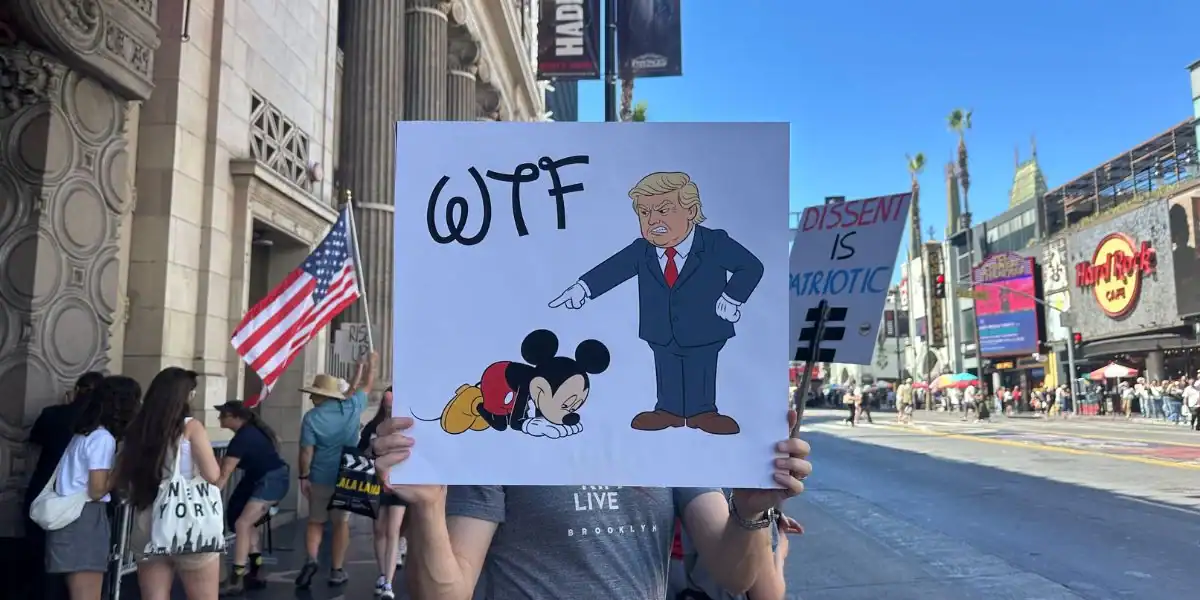
As Sinclair wields considerable influence over programming choices across its extensive network of 294 affiliated stations, its decision not to air Kimmel raises essential questions regarding editorial independence. Sinclair’s conservative editorial slant has long been a topic of discussion, and this latest incident underscores its approach to managing controversial content.
The audience’s reaction has further politicized late-night television offerings, revealing a trend where viewers choose programming based on alignment with their political beliefs. This shift complicates the landscape for television networks as audience preferences become increasingly partisan.
The decision to preempt Kimmel’s show may set a precedent for how other late-night hosts navigate their material amid growing pressures. As broadcasters grapple with viewer demands and political implications, the landscape of late-night television may continue to evolve, with future hosts potentially facing similar challenges.
The ongoing developments surrounding Jimmy Kimmel and Sinclair Broadcast Group highlight the evolving relationship between media companies, their content, and audience expectations. As discussions between Sinclair and Disney continue, the broader implications for the media industry and late-night television will undoubtedly unfold in the coming months.




Where is any commentary on Disney firing Rosanne Barr and Gina Cararo?? Why outrage that gets ACLU involved for an artist that has such mediocre ratings compared to two artists with excellent ratings. Is it because they were women?
Was their controversy the same?
Barr called a Black wome a “monkey” and Gina ” disrespected Holocaust surivors and their familys” , Just dumbing it down for All.
If you have Disney + then younhave access to everything ABC,watch it on Hulu . So STOP watching the Sinclair owned station,mine is 33/40 and my family are NO Longer watching it. I have access to 3 other stations and ths is the way.Sinclair is a Right Wing owned company and they have said it was part of their aggenda to by up local TV and promote “Consrerative values” they are also supportes of Project 2025.
Boycott, its tha simple.