 Disney Tips Your Guide To A Great Disney Vacation
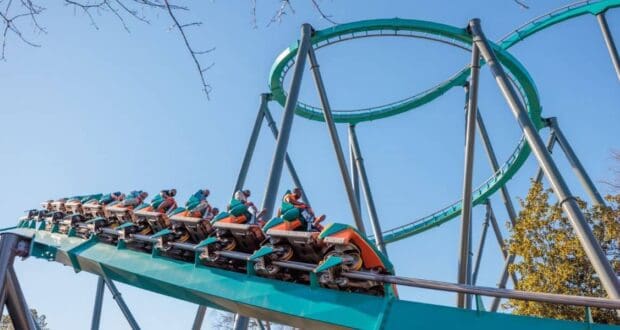
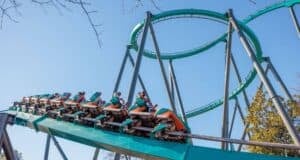
Amusement parks are built on a brilliant psychological promise: giving riders the visceral sensation of mortal peril while guaranteeing absolute mechanical safety. Tens of millions of thrill seekers gladly line up each year to be launched into the sky, plummet down near-vertical drops, and experience intense gravitational forces.
Yet when that promise of safety is broken, the shockwaves resonate worldwide.
Following a deadly fall from a 200-foot hypercoaster in Georgia, the sudden retirement of an iconic California ride tied to traumatic brain injuries, and an earlier death at Universal’s newest park, questions are mounting. Why do fatal accidents and catastrophic injuries still happen on roller coasters, and what do the numbers say about how safe these rides really are?
Recent Fatalities and Catastrophic Incidents
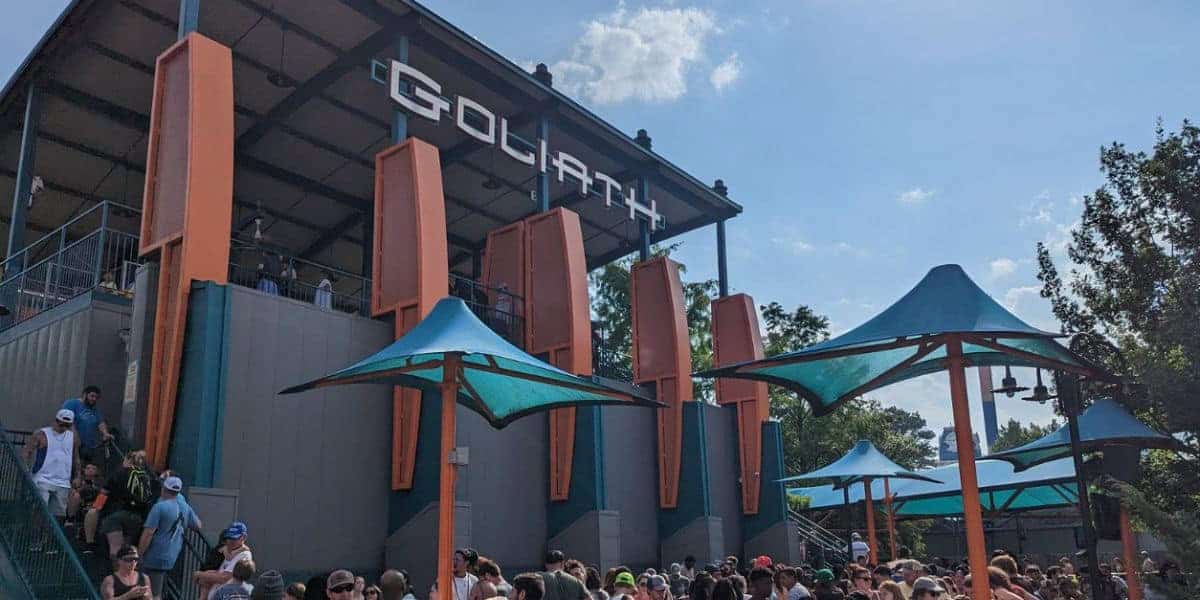
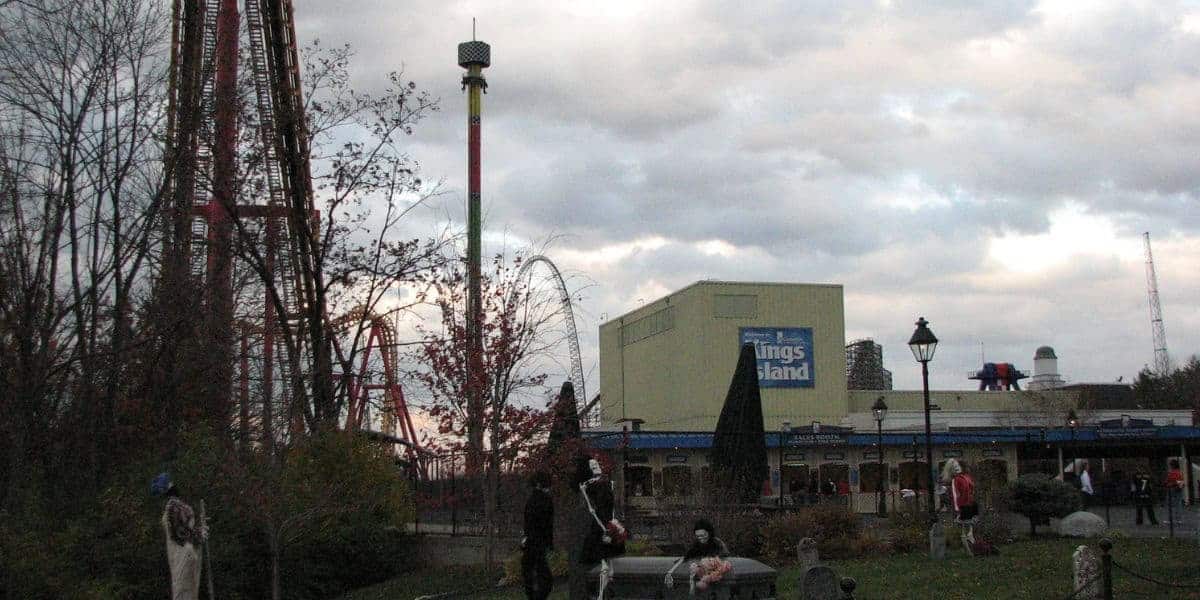
Public scrutiny reached a breaking point on October 12, 2026, when 42-year-old Hassan Jihad Ibn Kariem fell to his death from the Goliath hypercoaster at Six Flags Over Georgia while riding with his son. Several other passengers sustained injuries during the incident. In response, Six Flags immediately shut down Goliath and temporarily closed nine similar coasters across six North American parks—including Diamondback and Orion at Ohio’s Kings Island—to inspect restraint systems and mechanical components.
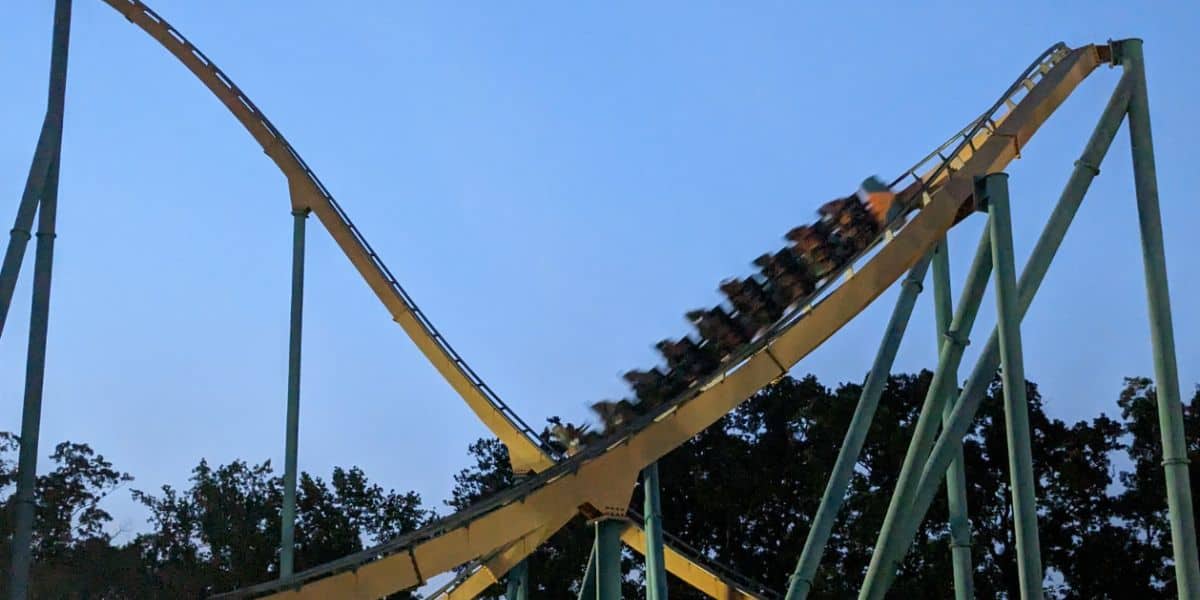
The tragedy came less than two weeks after Six Flags permanently retired X2 at California’s Magic Mountain. That decision followed lawsuits from firms including Dordick Law Corporation and HHJ Trial Attorneys, representing more than 100 riders who alleged the attraction caused traumatic brain injuries. Two women required emergency brain surgery in July after riding the coaster, whose seats rotated independently during high-speed drops.
These crises follow another fatal incident last year, when a guest died after boarding the dual-racing Stardust Racers coaster at Universal Epic Universe in Orlando, intensifying debates over whether modern rides are pushing physical limits too far.
How Safe Are Roller Coasters Really? The Statistics
Despite terrifying headlines, amusement park safety data confirms that catastrophic ride failures remain extraordinary statistical anomalies.
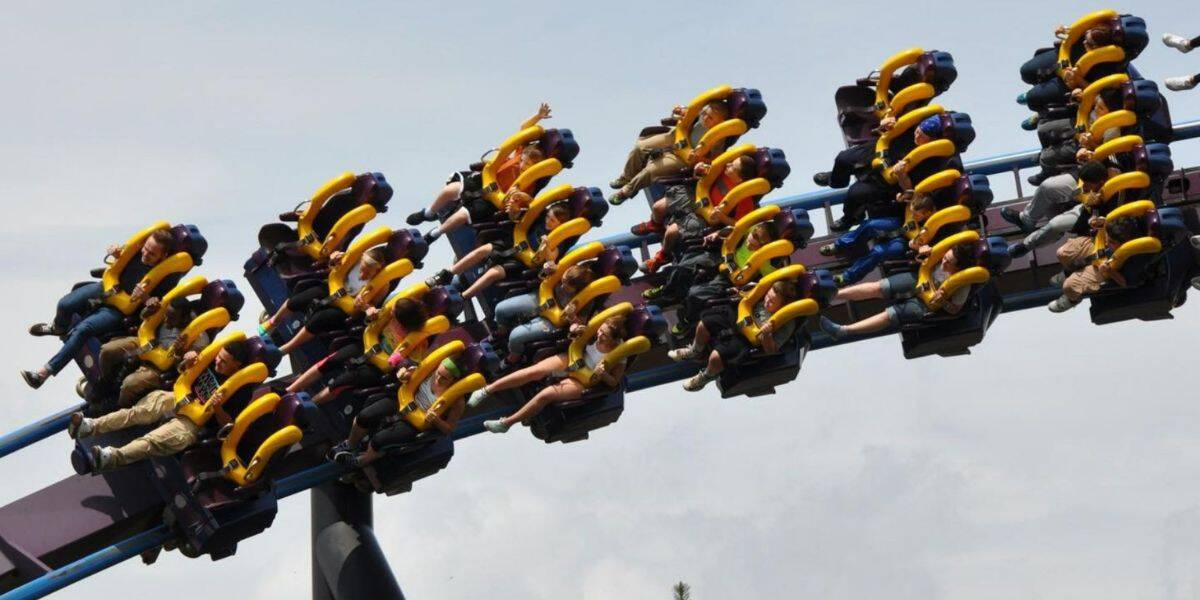
According to the International Association of Amusement Parks and Attractions (IAAPA), more than 385 million guests safely take over 1.7 billion rides each year across North American fixed-site parks. The statistical probability of suffering a serious injury—one resulting in death or hospitalization for more than 24 hours—stands at roughly 1 in 15.5 million.
To put that in perspective, you are far more likely to be struck by lightning, attacked by a shark, or killed in a car crash. In the United States alone, the National Highway Traffic Safety Administration reported 7,770 highway fatalities during the first quarter of 2026.
However, injuries are creeping upward. The National Safety Council’s 2024 report tallied 118 serious injuries across North American parks. For roller coasters specifically, estimated injuries jumped 44% from 458 in 2023 to 652 in 2024, climbing from 0.88 to 1.27 injuries per million coaster rides.
Why Accidents Happen: Biology, G-Forces, and Oversight
When accidents occur, mechanical failure is rarely the primary culprit. The NSC found that parks attribute roughly 60% of all ride injuries to guest-related factors, such as rider behavior or pre-existing medical conditions, compared to 15% for technical failures and 9% for operational issues.

Modern hypercoasters subject the human body to extreme gravitational forces (G-forces). Cardiologist Dr. Mark L. Meyer notes that rapid acceleration and intense adrenaline dramatically spike heart rate and blood pressure, while sharp transitions strain the neck and spine. For riders with undetected cardiovascular or neurological vulnerabilities, that physiological stress can turn deadly even if the ride functions flawlessly. In 2006, a parkgoer with a congenital heart defect suffered a fatal heart attack on the very same Goliath coaster in Georgia.
Meanwhile, industry experts warn that rides are being pushed further. David Bertozzi, president of the National Association of Amusement Ride Safety Officials, acknowledged that coasters have become “a little more risky” as engineers design faster and taller builds.
Compounding the risk is America’s lack of a federal regulatory agency for permanent theme parks. Oversight is left to an inconsistent state-by-state patchwork. While states like Georgia and New York mandate rigorous inspections, other states have minimal requirements, leaving inspectors without the legal authority to shut down hazardous rides. Furthermore, while parks conduct daily walk-throughs, testing for deep structural fatigue or hidden restraint defects requires non-destructive testing conducted only at broad, periodic intervals.
While the odds of serious injury remain minuscule, the boundary between an engineered thrill and real-world trauma is razor-thin. Balancing the public’s thirst for 300-foot adrenaline rushes with human physiology and airtight regulatory oversight is the only thing keeping the magic of the scream from turning into a nightmare.