
 Disney Tips Your Guide To A Great Disney Vacation

Financial Turmoil Plagues Six Flags
Six Flags, the largest theme park operator in North America, is currently engulfed in financial turmoil. The company has taken drastic measures in response to its ongoing struggles, including the recent closure of several parks. The closure of Six Flags America, located near Washington, D.C., on November 2, is a stark indication of the challenges the company is facing. This closure is part of a broader initiative aimed at stabilizing its operations amid escalating financial difficulties.
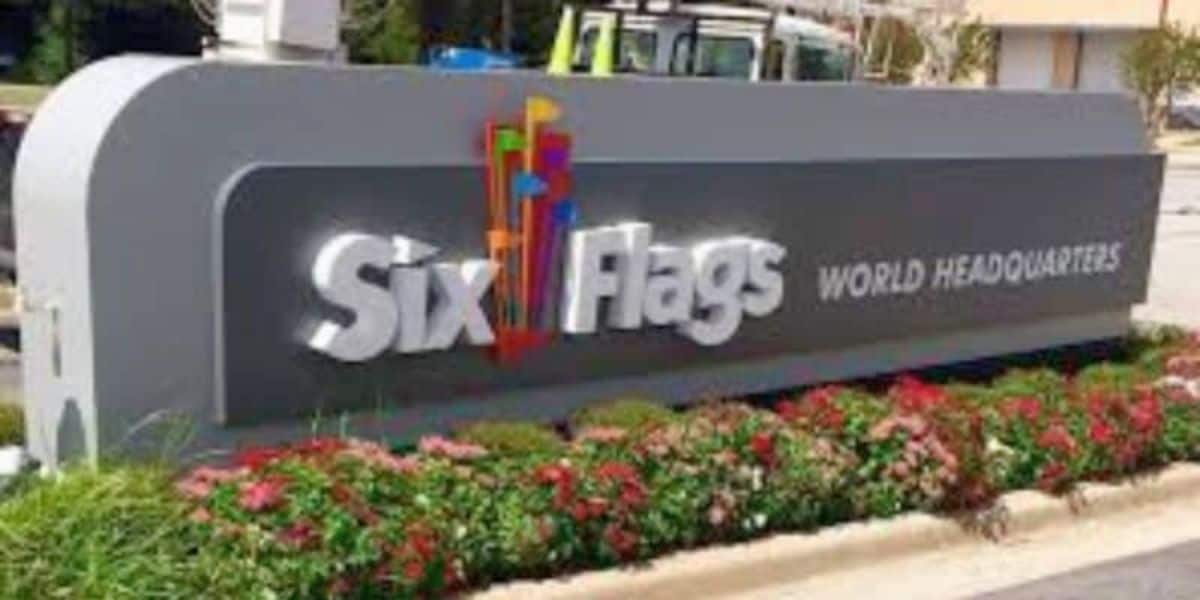
Declining revenue and attendance continue to be pressing issues for Six Flags. As visitor numbers drop, the park’s operational model appears increasingly unsustainable. The problem of seasonal attendance dependence has emerged as a significant concern, significantly impacting the company’s bottom line. As it stands, the need to navigate these turbulent waters is urgent, and Six Flags is under intense pressure to find solutions.
CFO’s Vision for Restructuring
In a recent meeting with investors, Brian Witherow, the Chief Financial Officer (CFO) of Six Flags, provided insights into the company’s future direction. He made it clear that significant changes were on the horizon, confirming plans for potential park sell-offs and closures. “Getting the portfolio smaller and more nimble is a priority,” Witherow stated, emphasizing the company’s need to streamline operations.
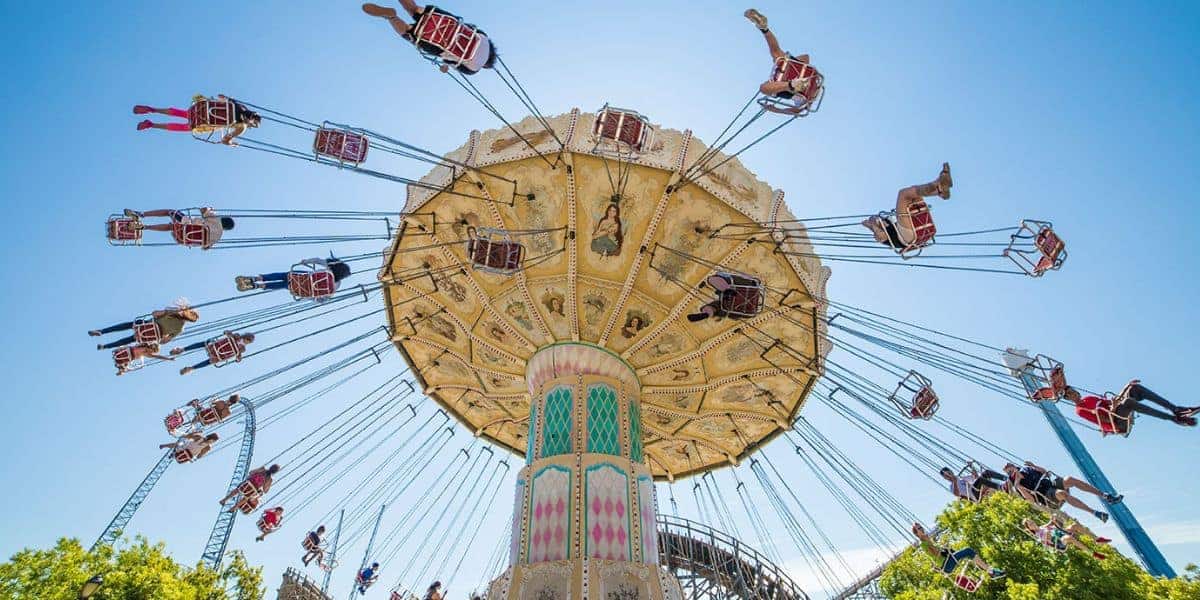
To that end, Six Flags is categorizing its parks into “core” and “non-core” groups. This strategy will enable the company to concentrate resources on its most profitable locations and consider monetizing those deemed non-essential. While the exact parks targeted for closure have not yet been disclosed, this approach indicates a serious effort to improve efficiency and profitability within the business.
Attendance Decline and Its Consequences
One of the primary drivers of Six Flags’ financial woes has been a dramatic decline in attendance. In its first-quarter earnings report, the company reported a staggering 17 percent drop in guest visits. This disappointing trend was primarily attributed to various factors, including inclement weather, which hindered guest turnout.

Unfortunately, the situation did not show improvement in the subsequent quarter, leading to a reported revenue loss of $100 million. Additionally, further declines of nine percent in attendance and eight percent in season pass purchases exacerbated the overall financial picture.
These attendance declines are forcing Six Flags to seriously consider its options. As revenues continue to contract, the urgency for the company to evaluate its park portfolio has intensified. The financial ramifications of these trends have raised questions about the long-term sustainability of Six Flags’ operational framework.
Future Strategies for Recovery
Looking ahead, Six Flags is focusing on identifying specific parks that show potential for profitability amidst current challenges. Priority will be given to locations that are actively investing in new attractions, which are likely to increase visitor numbers and revenue streams. By focusing on parks that demonstrate market viability, Six Flags aims to mitigate the risk of further closures while enhancing its overall brand image.
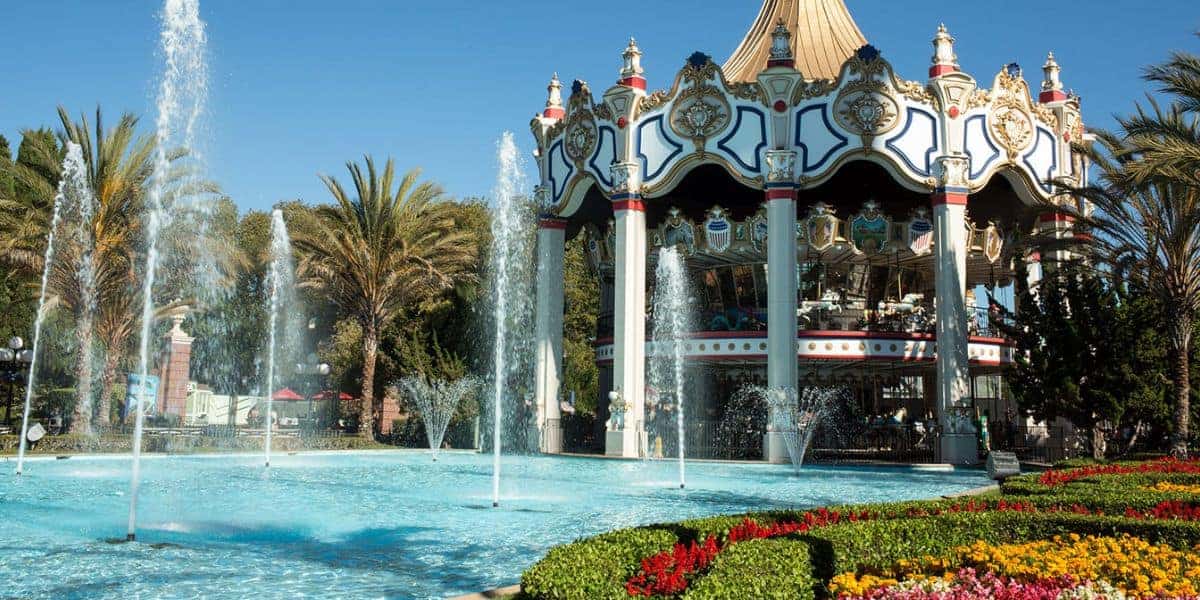
The company’s long-term vision hinges on its capability to implement these strategies effectively. By divesting from underperforming assets and strategically investing in promising locations, Six Flags hopes to stabilize its financial situation. However, the path ahead is fraught with challenges, and the company’s decisions in the coming months will significantly influence its trajectory.
Under the leadership of CFO Brian Witherow, Six Flags is currently navigating park closures and substantial financial restructuring. As the company contemplates the future of its operations, the unfolding circumstances will undoubtedly shape the landscape of the North American amusement park industry. With the shadow of closures looming, Six Flags faces critical decisions in an effort to reclaim stability and regain its footing in an increasingly competitive market.


