
 Disney Tips Your Guide To A Great Disney Vacation
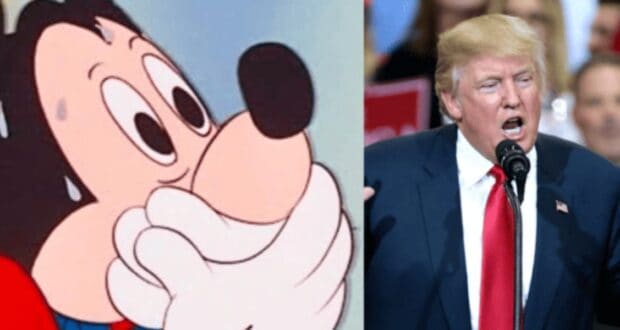
Proposed Tariffs on Films by Trump
President Donald Trump has stirred controversy by proposing a staggering 100 percent tariff on films produced outside the United States. This provocative measure is framed under claims that foreign film productions pose a “National Security threat,” which he argues requires protective actions to safeguard American jobs and to counter foreign propaganda. The announcement has evoked concern across the entertainment sector, particularly for companies like The Walt Disney Company, which have heavily invested in overseas production.

The potential implementation of these tariffs threatens production costs and could ripple throughout the entire entertainment industry. Executives are bracing for the consequences, fearing that a sudden shift in policy could derail ongoing projects and disrupt established production practices.
The Shift of Disney’s Production
In the past few years, The Walt Disney Company has strategically shifted a significant portion of its film production to international locations, particularly the United Kingdom. This decision has largely been driven by the appealing financial incentives foreign governments offer, making these locations attractive for large-scale film projects. For instance, Disney has received substantial tax breaks from the UK—over $50 million for its recent live-action adaptation of Snow White.

Major productions, including the latest entries in beloved franchises like Fantastic Four and Spider-Man, have found new homes overseas, taking advantage of lower production costs. With the looming tariffs, however, Disney may need to reconsider this strategy as the additional financial burdens could render these options less viable.
Financial Implications for Disney
Should Trump’s proposed tariffs come to fruition, the financial ramifications for The Walt Disney Company could be severe. If production costs double due to the tariffs, the company faces a substantial threat to its profit margins. This increase could lead to higher ticket prices for films and increased subscription fees for Disney+, directly affecting consumers.

Moreover, productions already in progress may struggle to adhere to budgets, as inflated costs threaten the high standards of quality that Disney has established over the decades. The pressure to maintain production quality while navigating skyrocketing costs may significantly transform Disney’s approach to filmmaking.
Industry Reactions and Future Strategies
The film industry has responded cautiously to Trump’s proposed tariffs, with many stakeholders fearing the long-term impacts of such a drastic policy change. Insiders suggest that The Walt Disney Company may need to lean heavily on legal teams to explore options for challenging these tariffs, particularly if they are perceived as unfair barriers to trade.

The situation may force Disney and other studios to reevaluate their commitments to overseas productions. With potential financial repercussions looming, companies might reconsider their production strategies within the current global landscape.
This proposed shift could have broader implications for the entire film production ecosystem, forcing a reconceptualization of how media companies operate in an increasingly interconnected world. As Disney navigates this uncertain terrain, the balance between corporate interests, national policy, and economic realities becomes more tenuous.
Trump’s tariffs present a monumental challenge for The Walt Disney Company and its stakeholders. The future of film production, particularly for organizations that have embraced international opportunities, hangs in the balance as the potential for drastic policy changes looms over the industry. The stakes are high, and the consequences could reshape Hollywood and its financial ecosystems.


