
 Disney Tips Your Guide To A Great Disney Vacation

Disney’s Potential Co-CEO Structure
Disney is weighing a shift to a co-CEO model as it navigates an evolving media landscape. This potential change comes from Netflix’s successful dual leadership approach, initiated in 2020. The co-CEO candidates under consideration are Dana Walden, Co-Chair of Disney Entertainment, and Josh D’Amaro, Chairman of Disney Parks. Disney aims to respond strategically to increasing competition and dynamic market conditions by contemplating this co-leadership structure.
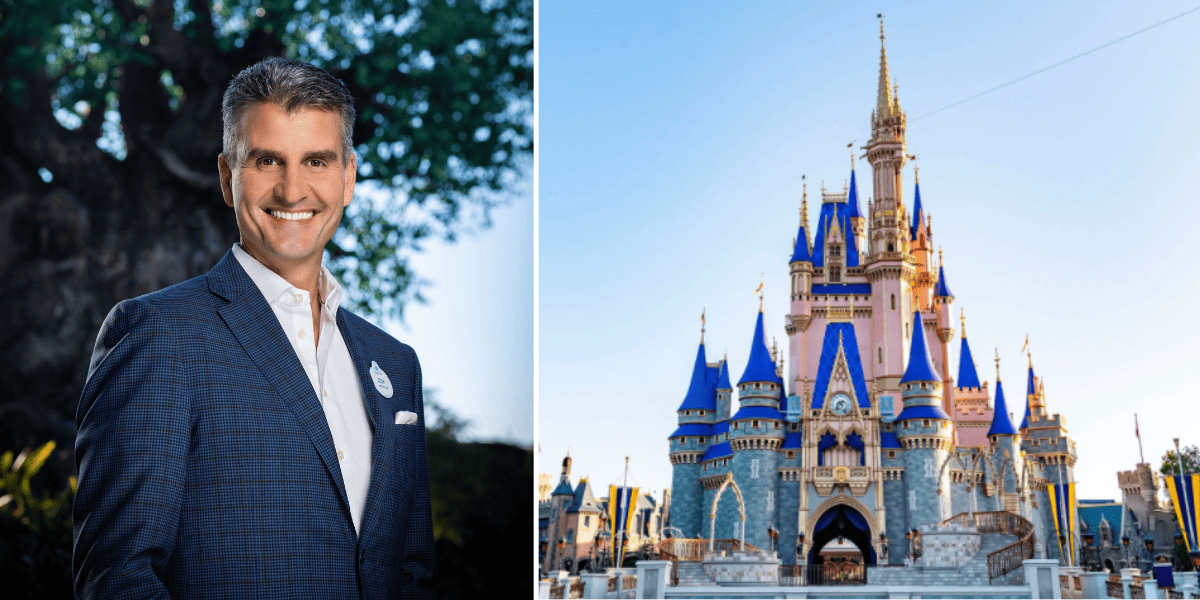
Both Walden and D’Amaro bring unique skills to the table. Walden has extensive experience managing Disney’s entertainment segment, which is crucial for content development. D’Amaro oversees Disney’s profitable theme parks division, a significant revenue source. Experts suggest that having a co-CEO model could enhance operational agility across Disney’s various business sectors.
Bob Iger’s Role in Transition
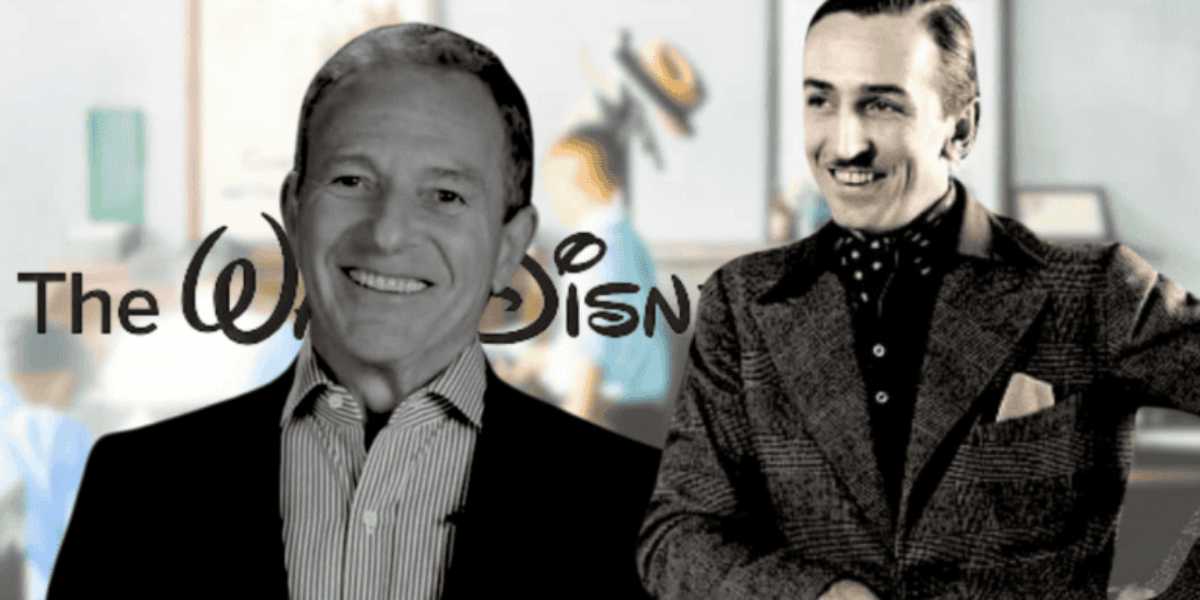
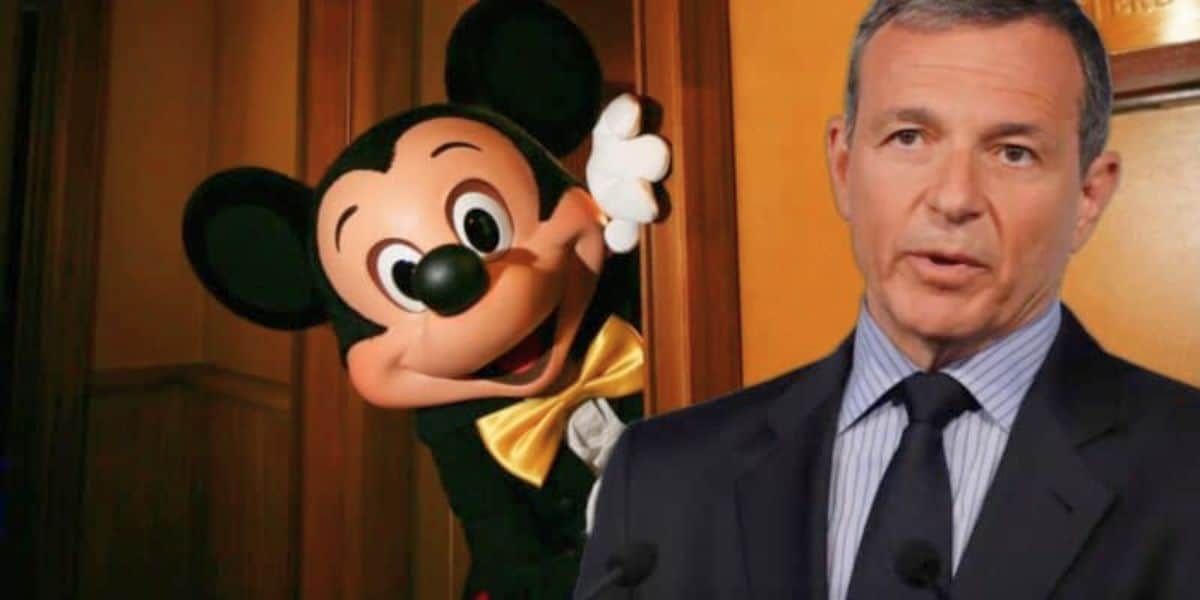
In the proposed co-CEO arrangement, Bob Iger would transition to Executive Chairman. His longstanding influence at the company is expected to provide stability during this transition. Iger’s experience is essential for aligning Disney’s broader vision with the operational strategies directed by Walden and D’Amaro.
Maintaining a balance is critical in this new setup. While Iger’s support can help navigate the challenges of dual leadership, the focus must remain on empowering Walden and D’Amaro in their respective roles. If managed well, Iger’s presence could foster collaboration rather than overshadow the new co-CEOs.
Advantages of Dual Leadership
The introduction of dual leadership at Disney could present several advantages. Enhanced collaboration between leaders might lead to improved decision-making processes. By leveraging their individual expertise, Walden and D’Amaro could inspire innovation across their departments. This specialized leadership approach could prove beneficial, particularly in a competitive environment where Disney strives to remain a frontrunner in entertainment and theme park operations.

Moreover, the co-CEO structure could foster shared accountability and promote stronger teamwork, which may ultimately lead to better company outcomes.
Concerns and Risks of the Co-CEO Model
Despite the potential benefits, the proposed co-CEO model has drawn skepticism, particularly regarding Disney’s corporate culture. Critics argue that dual leadership may conflict with Disney’s historically hierarchical organization. Concerns arise around internal rivalries, which could hinder effective decision-making.

There’s also apprehension about Iger’s role in this new structure. While he may serve as a tiebreaker, his continued influence might alienate one or both of the new leaders. Careful management of these dynamics will be essential; otherwise, the aim for a harmonious leadership structure may backfire, creating confusion rather than clarity.
Historical Leadership Insights
Disney’s leadership history reveals the potential impacts of significant changes on the company’s strategic direction. Bob Iger’s tenure has dramatically influenced the media landscape, but succession planning has proven challenging. Following his predecessor Bob Chapek, Disney’s approach to leadership transitions remains critical for sustaining the organization’s vision and culture.
Market trends indicate that Disney’s leadership structures need to be more adaptable than those of its competitors. Netflix’s co-CEOs’ success could serve as a benchmark for Disney. However, the lessons drawn from Iger’s leadership style and decisions will heavily influence future dynamics.
Timing Considerations for Decisions
As the end of 2025 approaches, Disney’s board must urgently finalize a leadership model. Internal conversations focus on the viability of either a co-CEO model or a return to a traditional single-CEO setup. Market conditions, stakeholder interests, and the need for stability amid increasing competition are key factors being evaluated in this decision-making process.

Reactions from Disney stakeholders reveal a mixed perspective on the potential leadership changes. While some express optimism about the co-CEO model’s prospects, others demonstrate concerns regarding clarity and authority within the company. As decisions loom, the interplay between Iger’s influence and Walden’s and D’Amaro’s qualifications will significantly determine the trajectory of Disney’s leadership landscape in the years to come.


