 Disney Tips Your Guide To A Great Disney Vacation

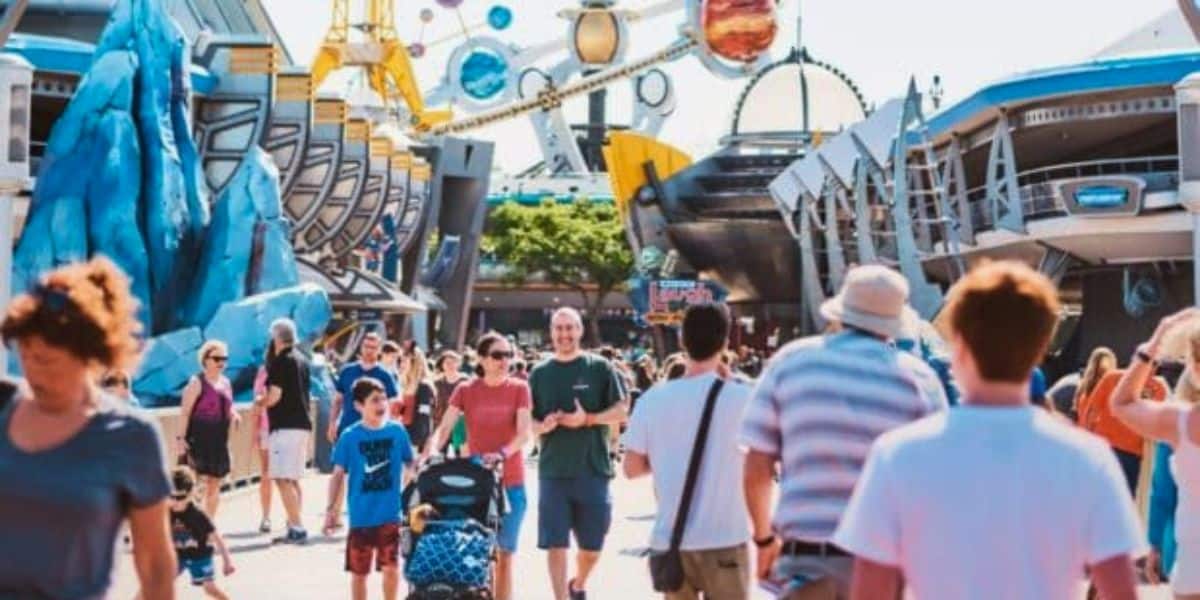
You’ve spent the last fourteen hours in a bubble of perfection. You’ve smelled the artificial scent of vanilla on Main Street, U.S.A., conquered the “mountains” of Tomorrowland, and watched a million-dollar fireworks display turn the sky into a kaleidoscope of pixie dust. But the moment you walk through the exit tap-stiles and find your car in the sprawling “Villains” parking lot, the Disney bubble doesn’t just burst—it evaporates.
According to a shocking 2026 infrastructure report by Pep Boys, the city of Orlando has been officially crowned the worst city for roads in America. For the millions of families who flock to Central Florida every year, this isn’t just a municipal failure; it’s a high-stakes obstacle course that threatens to turn a dream vacation into a mechanical nightmare.
The Pep Boys Verdict: A “Death Drop” for Your Car’s Alignment
If your drive to the hotel feels like a journey through a lunar landscape, you aren’t imagining it. The Pep Boys 2026 Infrastructure Study analyzed data from thousands of service centers across the country to identify the highest frequency of road-related vehicle damage. Orlando beat out traditional “bad road” titans like Detroit and New York City for the top spot.
The study identified a “Triple Threat” that is currently decimating Central Florida’s pavement:
- Subtropical Stress: The relentless cycle of 95°F heat followed by torrential daily downpours causes the asphalt to expand and contract rapidly, creating deep, tire-shredding potholes.
- The Tourist Load: The roads surrounding Walt Disney World were built for a fraction of the current traffic volume. The constant weight of thousands of heavy tour buses and millions of rental cars has pulverized the sub-base of major arteries like I-4 and US-192.
- Zombie Construction: Ongoing projects like “I-4 Beyond the Ultimate” have left the landscape in a state of permanent flux, with temporary lane shifts and “metal plates” that act like speed bumps at 60 miles per hour.
The 10:00 p.m. Exodus: Why Getting Home is the Real Thrill Ride
The physical state of the roads is only half the battle. The other half is the sheer, overwhelming volume of the “Disney Exodus.” A viral report from Yahoo Travel recently showcased the chaos that unfolds every night, the moment the fireworks end.
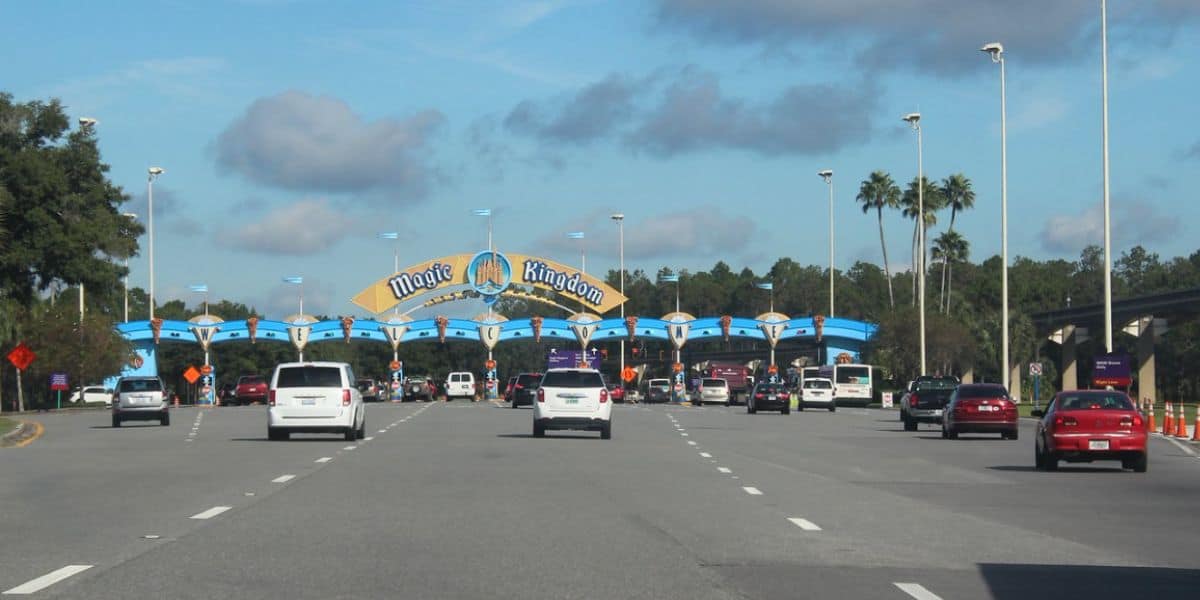
It’s a phenomenon every Disney veteran knows: The Mass Migration. As 50,000 people head for the monorails and ferryboats at once, the bottlenecking begins. By the time you finally reach your car, you’re often facing a 45-minute wait just to exit the Disney property.
As the Yahoo Travel report vividly illustrates, once you finally hit the public roads, you aren’t met with a clear path—you’re met with a “Wall of Red.” Travelers describe the merge from World Drive onto I-4 as a “gladiator match” where exhausted, sun-drenched parents in minivans battle for inches of pavement while trying to avoid craters in the asphalt.
Survival Guide: How to Beat the Orlando Asphalt
You can’t fix the potholes, but you can avoid the pain. Based on the Yahoo Travel advice and Pep Boys’ automotive experts, here is your 2026 survival plan:

- Wait for the “Second Wave”: The worst traffic happens 0–45 minutes after the fireworks. Spend that time in a gift shop or sitting on a bench with a snack. You’ll leave later, but you’ll arrive at your hotel at the same time as those who rushed, minus the high blood pressure.
- Check Your PSI: If you brought your own car, ensure your tire pressure is correct. Properly inflated tires provide better cushioning against the “rim-bending” potholes on the I-4.
- Use the “Western Way” Exit: Whenever possible, exit via Western Way (near Flamingo Crossings). It is generally better maintained and significantly less crowded than the main gates.
Until Orlando sheds its title as the home of the worst roads in America, the most dangerous part of your Disney trip won’t be the drop on Tower of Terror—it will be the drive back to your hotel.